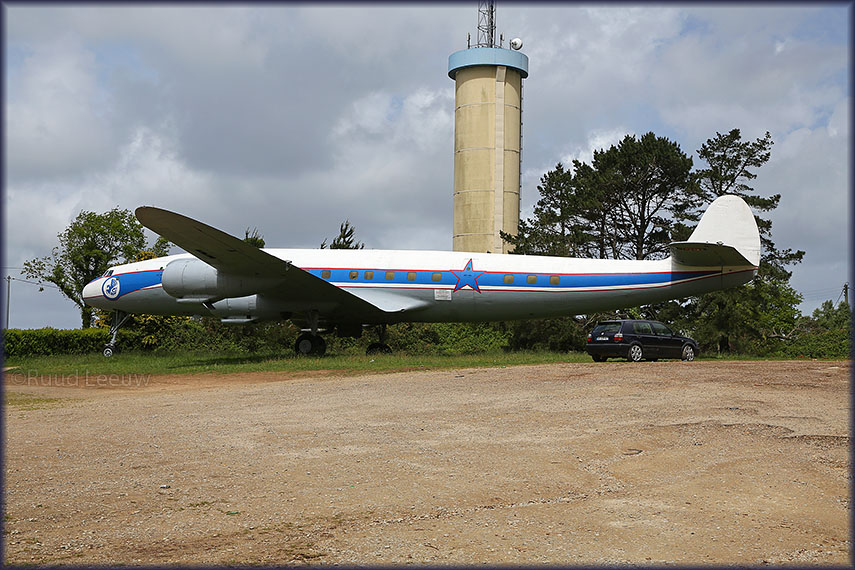
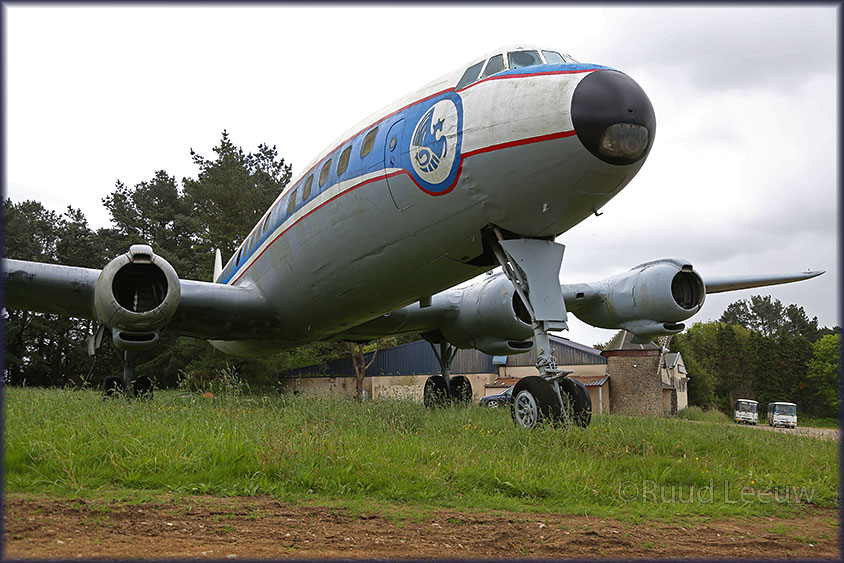
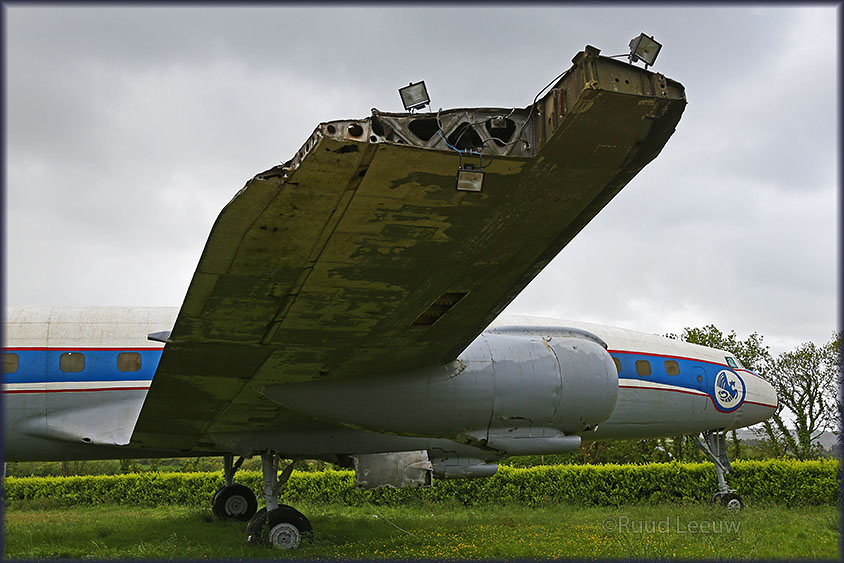
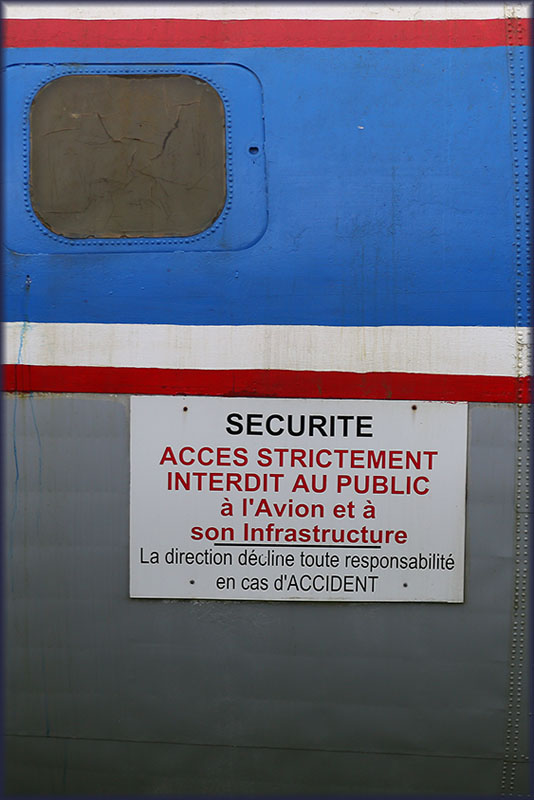
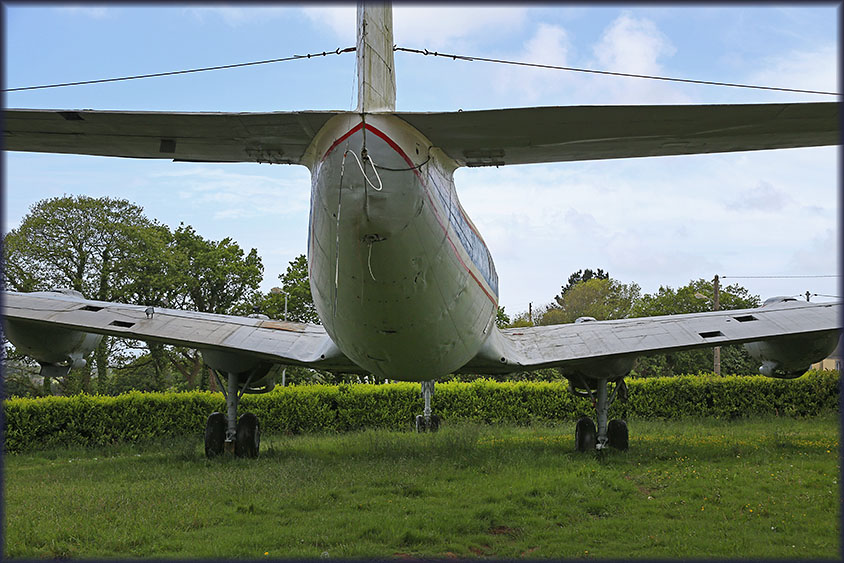
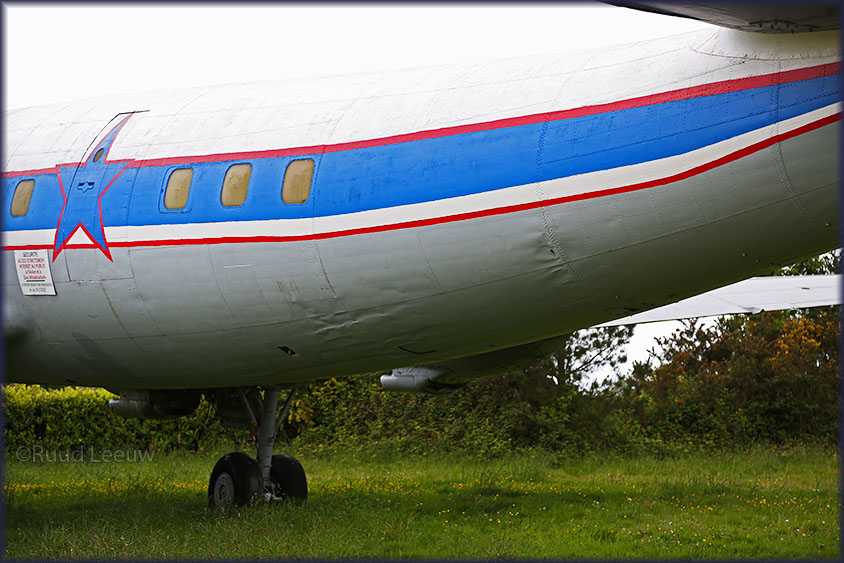
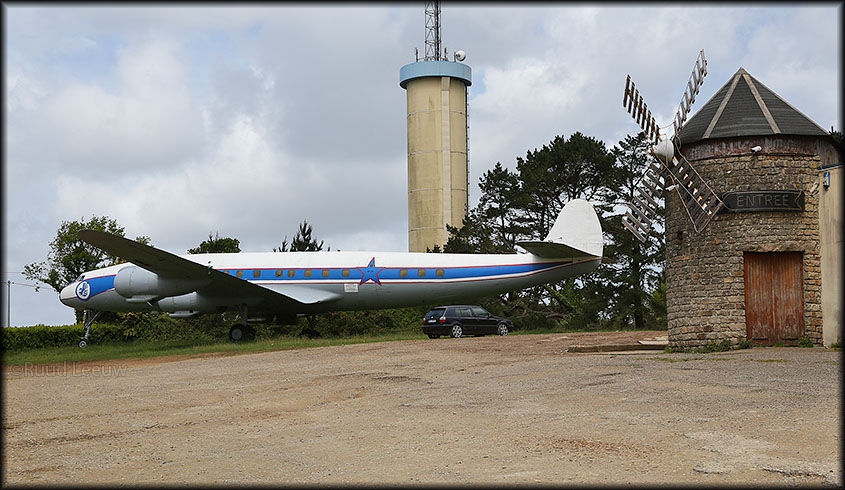
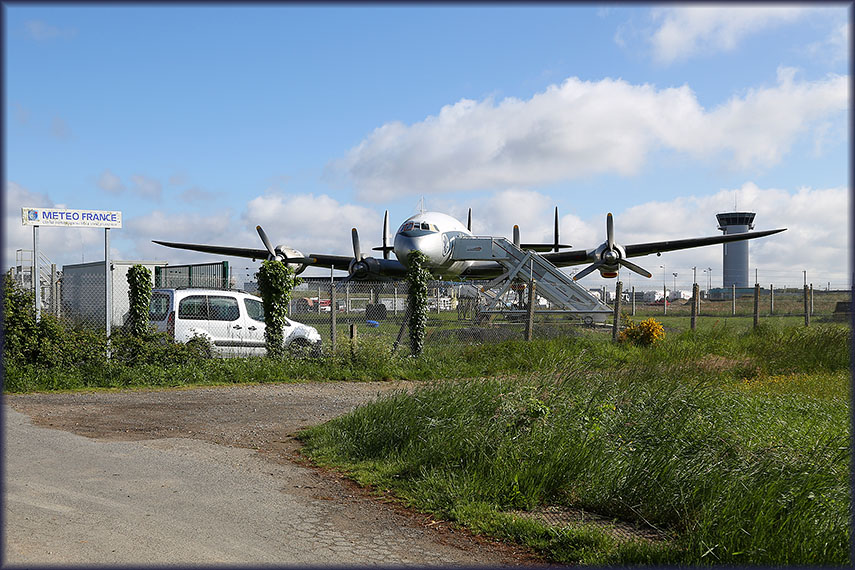
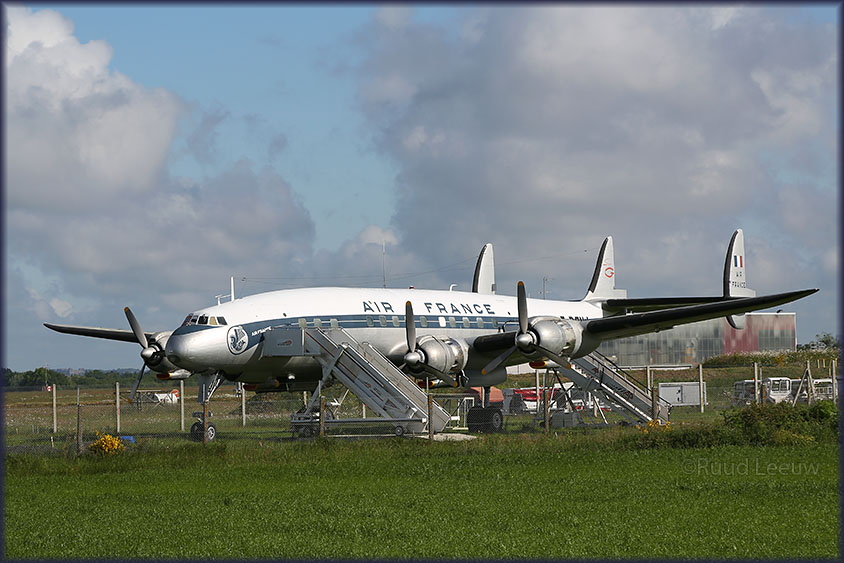
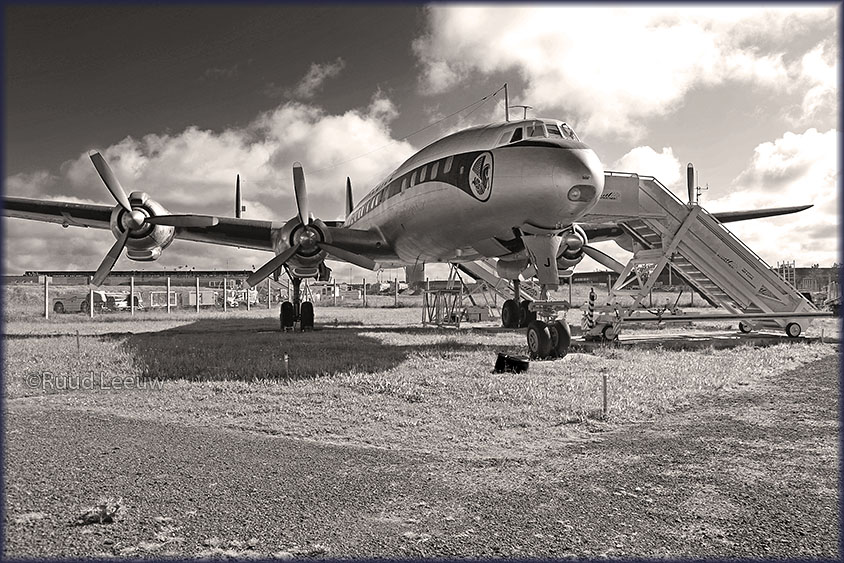
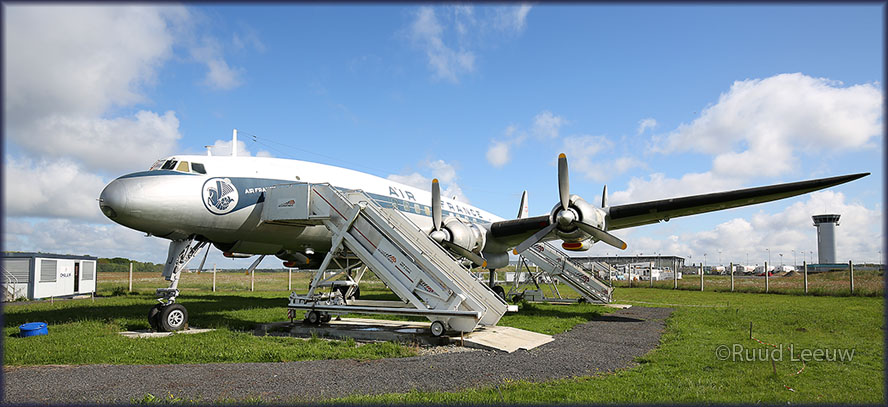
Nord N2501 NORATLAS, No.160

Thanks to advise by Roger Soupart I could include a visit to this Nord 2501 Noratlas, No. 160
It is located on a small airport north of Vannes, or better said, slightly off the actual 'Aéroport de Vannes'.

The Nord Noratlas was a 1950s French military transport aircraft intended to replace the older types in service at the
end of World War II. Several hundred were produced in a run lasting over a decade, finding a wide variety of uses.
It looks rather similar to the US-produced Fairchild C-82 Packet and Fairchild C-119 Flying Boxcar.

More details can be found on Wikipedia
UPDATE July 2020: has been moved to Évreux Fauville, parked in dismatled state at the north side
of the airfield.

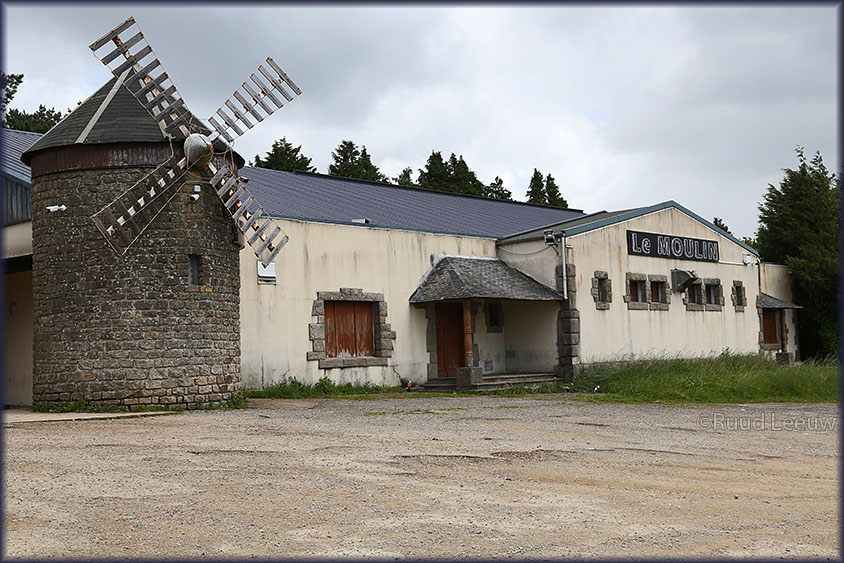
I noticed the hangar in the background had people going in and out...

Karl E. Hayes wrote me after reading this page: "Greatly enjoyed your report on trip to France, and those photos of
the Noratlas and Super Connies. Sad to see them in their current state.
F-BRAD (L.1049 Constellation, see below -Webmaster) flew to Dublin
quite
often with student charters.
It is a lasting regret that I, as a student, did not fly in it, but money was tight back then!
Also, the French Air
Force had many training flights to Dublin with Noratlas, including the one you photographed,
and they were a great favourite with enthusiasts here! Sad they are no longer flying but your
photographs are a great reminder of them."

When I returned from a visit to the hangar (report futher below) I noticed people inside. So I joined them!

Unit badge of this Nord 2501 Noratlas

Identifying details on the tailfin: Nord 2501, No.160

Not a great deal of comfort entering or leaving this vintage warbird.

The cockpit looked even better than I expected, I've seen worse.


I was assured the cockpit crew consisted of 5 crewmembers:
pilot
& copilot, flight engineer & radio operator, plus a loadmaster.

Crewstation for the radio operator or the navigator.

The cargo hold.

Details of the N2501 Noratlas on display against the bulkhead.

The rear of the cargo maindeck. Quite mesmerizing, those two 'eyes'.

Like the Fairchild C-82 Packet the N2501 Noratlas had clamshell doors to facilitate loading large size cargo of the
previous popular transports, such as the Douglas C-47. Compare the structure with www.c82packet.com/description

There's also a side door to facilitate parachute jumpers.

I was told that the N2501 Noratlas was owned by the Vannes City Council. I probably got lucky here, to enter
the Noratlas, because of Ascension Day holidays and I joined a visiting group of people. Not sure how that fits
with the information on a starting aviation museum, but perhaps as a loan item.
Ah, there is a Lockheed T-33 jet trainer too...

T-33 53091, while googling for details I found it was described as belonging to 'l'association Morbihan aéro musée'.
It seems that this group was formed during 2014 and
is the start of an aviation museum here at Vannes.
Morbihan aéro musée (MAM)

I was allowed a look inside the hangar, unfortunately the exchange of details was
fragmentary because of my lack of French-speaking skills. I did understand that these two people are
two of a group of aviation enthusiasts and their interest may result in establishing an aviation museum.
Hopefully we will see and learn more of this group; see also-
http://www.ouest-france.fr/une-nouvelle-association-morbihan-aero-musee-est-nee-2777739

The two people present were working on the remains of a Messerschmitt Bf 109, of which we see here the Daimler
Benz 605 engine. By researching documentation, followed by an extensive dig, these remains were unearthed!


Bits and pieces of the Messerschmitt 109 found.

Images of the dig; they had to dig really deep.


An aircraft of one of the group members: Morane-Saulnier MS.733 Alcyon.
The card tells us that this hangar is one of the last existing ones used by the Luftwaffe in WW2.
I found a bit more information on Morbihan aéro musée (MAM), but only in French...


Designed as a basic trainer for the French military the prototype MS.730 first flew on the 11Aug1949.
The prototype was a low-wing cantilever monoplane with a fixed tailwheel landing gear and powered by a 240 hp (134 kW) Mathis 8G.20 inverted V8 engine.
The engine was replaced with a German war-surplus 240 hp (179 kW) Argus As 10 and the prototype flew again in November 1949 as the MS.731.
Two further prototypes were built and flown in 1951 designated MS.732, they were each powered by a Potez 6D 02 engine and the original fixed landing gear of the prototype was replaced with retractable main wheels.
More details on production and operators, go Wikipedia
|

 Photos © R.Leeuw