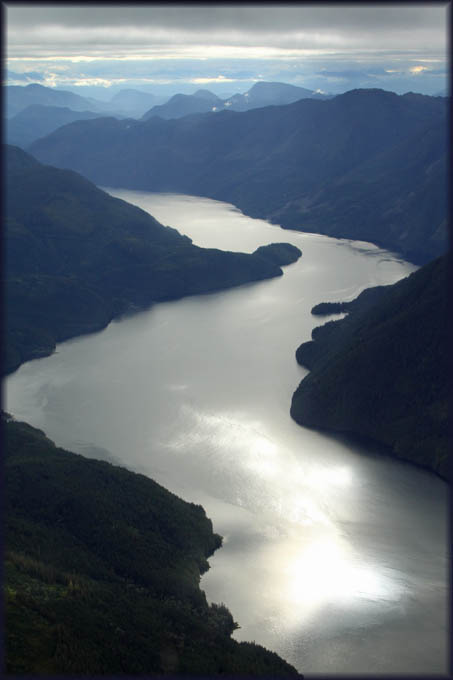
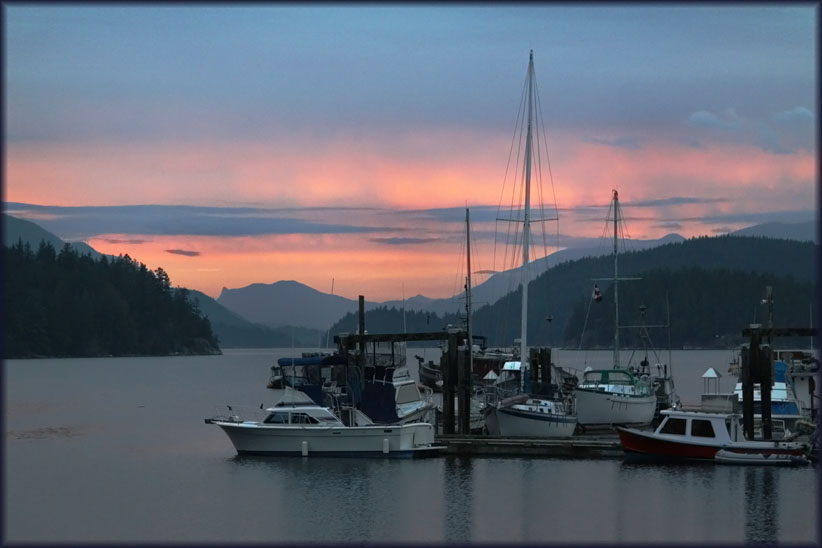
We visited various cultural- and touristic sites; the aviation part of this trip is documented elsewhere on this website. Other ingredients were rest and bookreading (we actually bought more than we read
 ).
CANADA 2010 |
| In September 2010 Ada and I made a trip of two weeks in the Greater Vancouver area and on Vancouver Island. We gratefully accepted the hospitality of Don McDonald and Dirk Septer, which added a dimension to this trip. We visited various cultural- and touristic sites; the aviation part of this trip is documented elsewhere on this website. Other ingredients were rest and bookreading (we actually bought more than we read ). |
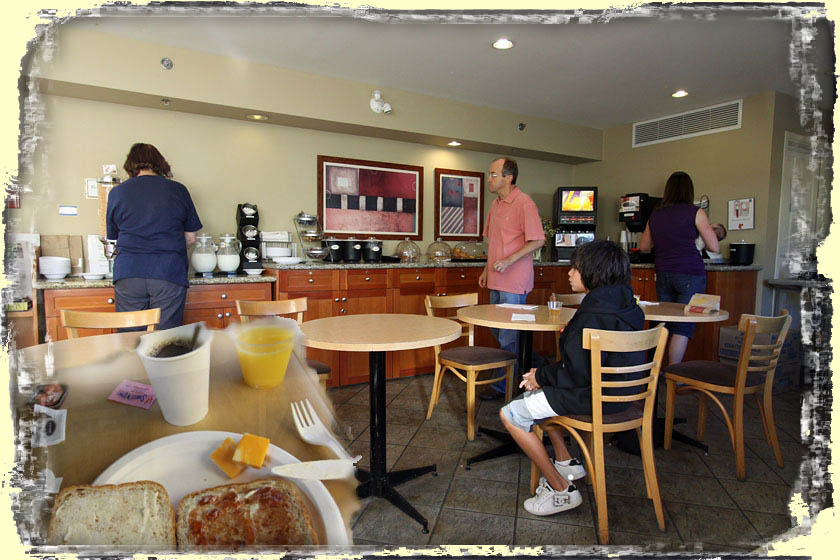
Having said that, areas such as these, in motels, may be cramped when too many guests show up at the same time and for this reason we diverted to Denny's occasionally. |
|

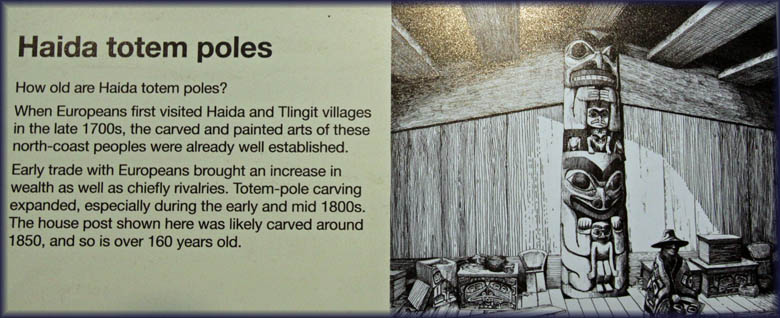
Vancouver's Museum of Anthropoly (MoA) was on top of my list; we'd been here in 1999 too and that visit left a tremendous impression on me.
On the Ramp large scale sculptures from the Northwest Coast are grouped by general culture area. Works from Coast Salish communities - including Musqueam, Saanich, Tsartlip - are located on both sides at the top of the Ramp and ends in in the adjacent Great Hall, in this bright, spacious area. Be impressed!
|
 |
 |
The Raven and the First Men was commissioned by Walter and Marianne Koerner, and unveiled by HRH the Prince of Wales in 1980. Members of the Haida Nation were also present to celebrate the work, bringing the sand at the base of the sculpture from the beach where Raven is said to have made his discovery. During his lifetime (1920-1998), Reid drew much from the traditions of his predecessors, including Charles Edenshaw (ca. 1839-1920), becoming internationally renowned for his extraordinary imagination and technical skill. He continues to inspire new generations of Northwest Coast artists - including Robert Davidson and Jim Hart - who are now masters in their own right. http://www.moa.ubc.ca/ |
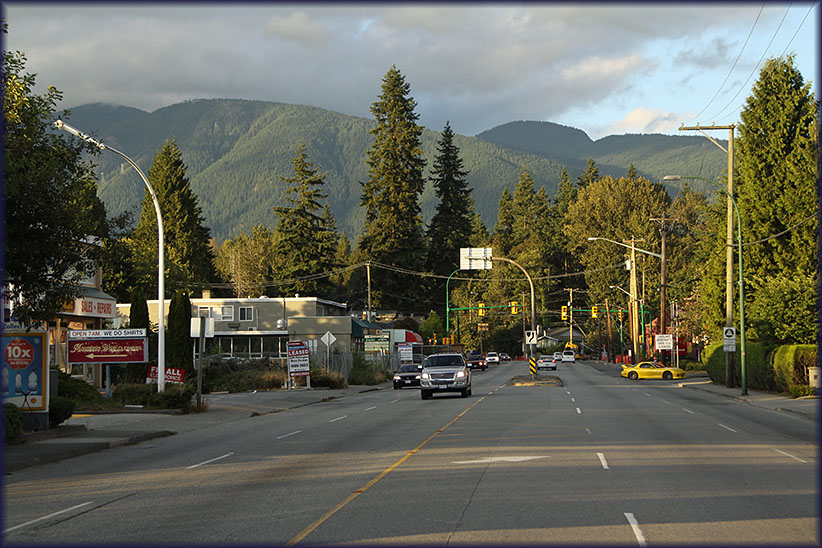
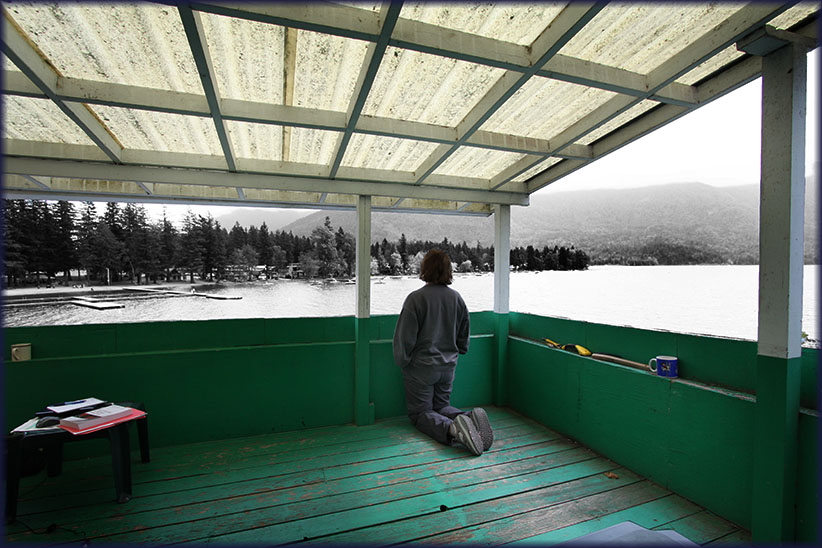 We had been invited by Don McDonald to visit him and since it was Labor Day weekend, we were invited to join him and his friends at his house on Cultus Lake. The weather turned quickly from blue skies and sunny to overcast and rain, but we sat back with our books. We talked, read, and enjoyed the view. Very peaceful.  |
|
 |
 |
 |
 |
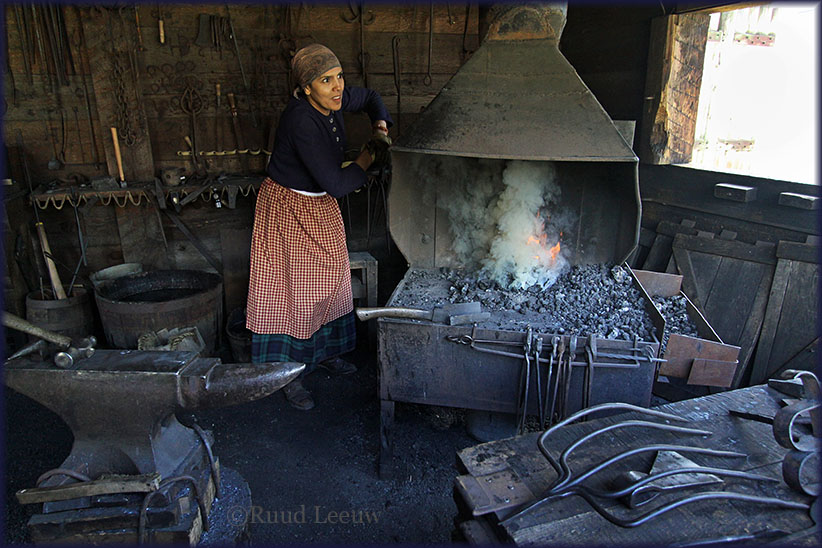
Fort Langley is a Parks Canada National Historic Site, a former trading post of the Hudson's Bay Company, now located in the village of Fort Langley, British Columbia.
|
 |
 |
 |
 |
 |
 |
| After John Jacob Astor's Pacific Fur Company sold its assets in the Oregon Country to the North West Company following the War of 1812, Astor's Fort Astoria was renamed Fort George and became the main depot for Pacific interior trade. Pelts collected in the northern New Caledonia district travelled south along the Fraser River to Fort Alexandria, then overland via a route known as the Brigade Trail to Fort Okanagan then along the Columbia River to Fort George on the coast. Chief Trader James McMillan was sent to explore the region, and McMillan proposed an area near the Salmon River suitable to agriculture, and where fish were plentiful. In 1827 construction of Fort Langley began (named for Thomas Langley, a prominent HBC director) 50 kilometres (30 miles) from the mouth of the Fraser River. This site was not the same as today's fort, but 4 km to the northwest at what was later called Old Fort Langley and then renamed Derby in 1858 (now only farmland). During the first few years, trade in furs with the Stó:lō, the indigenous people (Fraser River) was surprisingly poor from the HBC point of view. Firstly, traders from Boston controlled most of the Maritime Fur Trade, travelling along the coast by boat. Such strong competition kept the price of pelts very high, much higher than Hudson's Bay was paying elsewhere. McMillan was advised by his superiors to intentionally undersell Americans in order to force them out of the region... Also a disappointment to the HBC, was Simpson's discovery that the Fraser was not as navigable as he had imagined. Travel down the Fraser was relatively easy until it forked with the Thompson River, after which the powerful rapids and sheer cliffs the passage could mean 'certain death'. As part of its plan to rid itself of American competition, the HBC sought to corner the market in Alaska by securing a monopoly on trade with the Russian American Company in 1839 and the fort's farming activity was expanded. The location of the fort was moved 4 kilometres upstream in 1839 and changed its focus to farming, fish, and cranberry harvesting, rather than the fur trade. Due to its strategic location on the northern boundary of the Oregon Territory of the U.S. and in the path of the Fraser Canyon Gold Rush, Fort Langley grew dramatically. Old Fort Langley was the location of the proclamation of the Crown Colony of British Columbia in 1858 by James Douglas, the colony's first governor. The decline of the fort over the next 30 years was attributed to three factors. First, the advent of paddle wheelers on the Fraser meant that river traffic was extended to Fort Hope and Fort Yale. Second, the capital of the colony was established at New Westminster, British Columbia and later moved to Victoria. Finally, competition for goods and services undercut the monopoly the Hudson's Bay Company had formerly enjoyed. In 1886, Fort Langley ceased to be a company post. [Wikipedia, more..] |
 We said our goodbyes to Don after having enjoyed his warm hospitality. The sun was out again too! |
|
As Mr. Butchart exhausted the limestone in the quarry near their house, his enterprising wife, Jennie, conceived an unprecedented plan for refurbishing the bleak pit. From farmland nearby she requisitioned tons of top soil, had it brought to Tod Inlet by horse and cart, and used it to line the floor of the abandoned quarry. Little by little, under Jennie Butchart's supervision, the abandoned quarry blossomed into the spectacular Sunken Garden. The renown of Mrs. Butchart's gardening quickly spread. By the 1920s more than 50.000 people came each year to see her creation. It has remained popular ever since. |
 |
 |
 |
 |
 |
 |
 |
 The good weather continued when we arrived in Victoria, B.C. This is what is called the Inner Harbor, the harbor is actually shared with a Seaplane base.
|
|
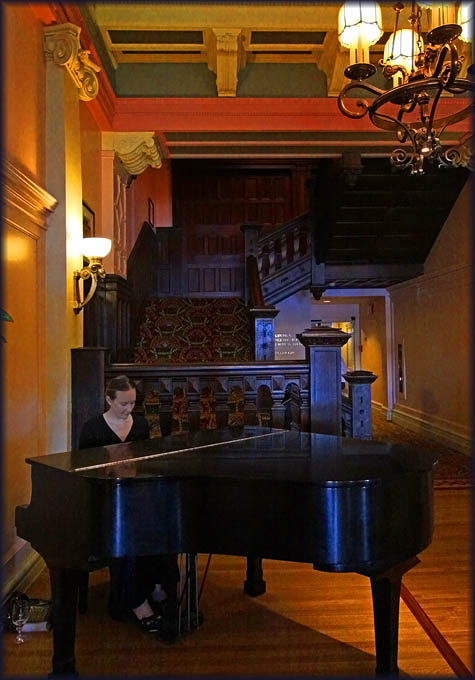
 The Empress Hotel in Victoria was recommended to us for coffee or 'High Tea', but we were uncomfortable with its poshness. But nice to have a quick look inside, stroll out the backdoor.. |
 |
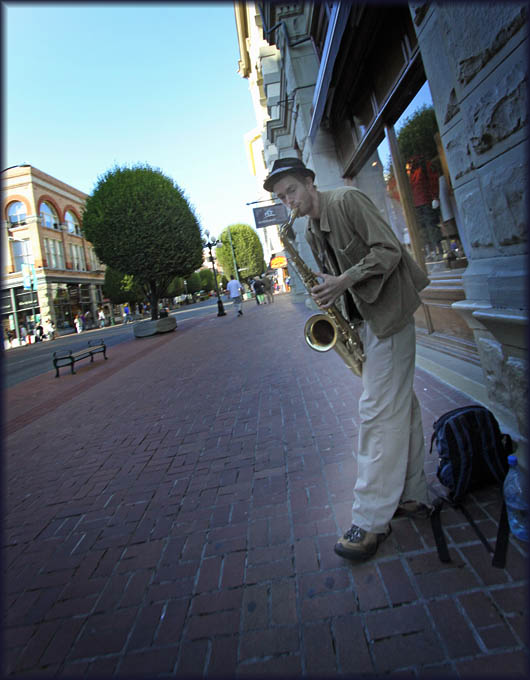 |
 Meet Dave Harris!
|
|
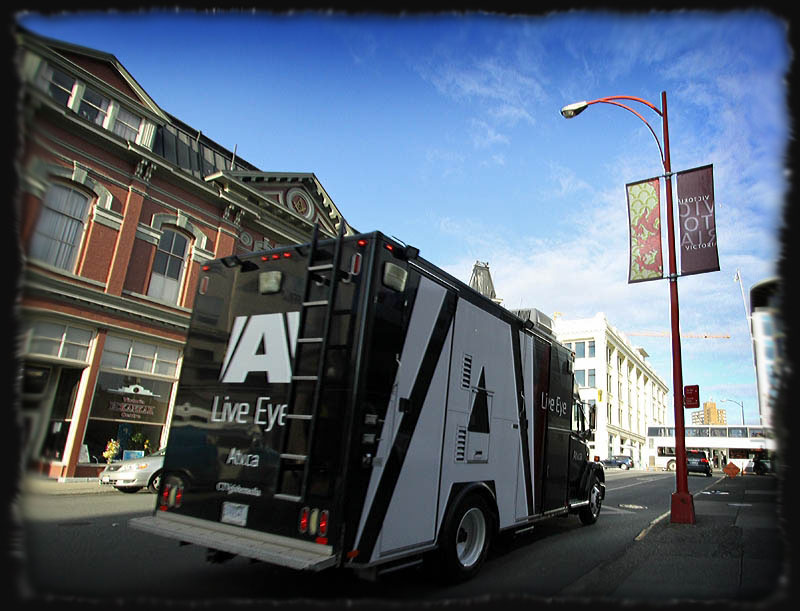 Live Eye: just a nice internet application or are we getting closer and closer to George Orwell's world of 1984... |
 Chinatown. Besides this gate, and the mural, I didn't see so much Chinese identity. And the streets lacked the hustle and bustle one sees in most Chinese towns; at least on our thursday afternoon visit in september. |
 Art in the street, I like it! |
 We had a good meal at 'The Sticky Widget'; the pint of Guinness was exactly what the doctor ordered. |

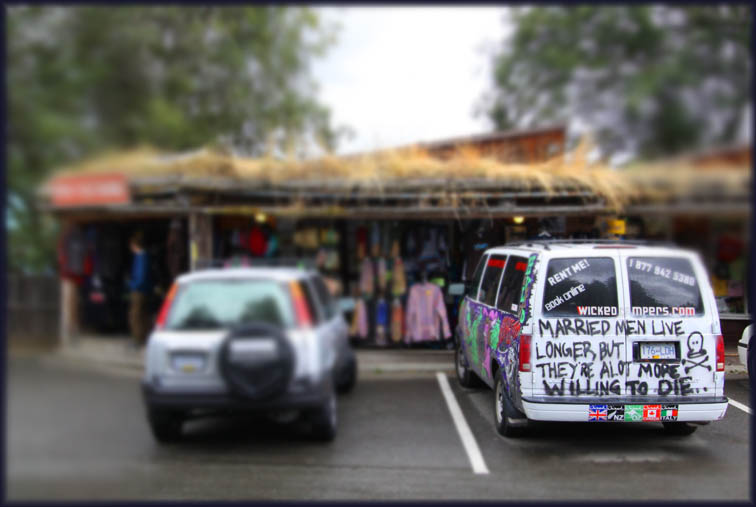
Two years after that a marketplace was built. And that’s how the story began. The original market was created by Kristian Graaten. Kris and his wife, Solveig, emigrated with their children to Vancouver Island from Norway in the 1950s. Kris, who grew up in the small community of Lillehammer, was inspired to include a sod roof in his design of the market. Many Norwegian homes and farm structures are built directly into the hillside with the sod roof becoming an extension of the hillside. With the help of his sons Svein and Andy, and son-in-law Larry, Kris began to build what would become perhaps the most famous sod-roof building in the world.
We now know that the goats became permanent tenants of the Coombs market and have been there for more than 30 years. Each spring, a family of goats makes their home on the roof, entertaining both locals and visitors from all over the world. The Old Country Market is now owned and operated by Larry and Lene Geekie and their family. The shop is closed during winter.
|
|
 |
 |
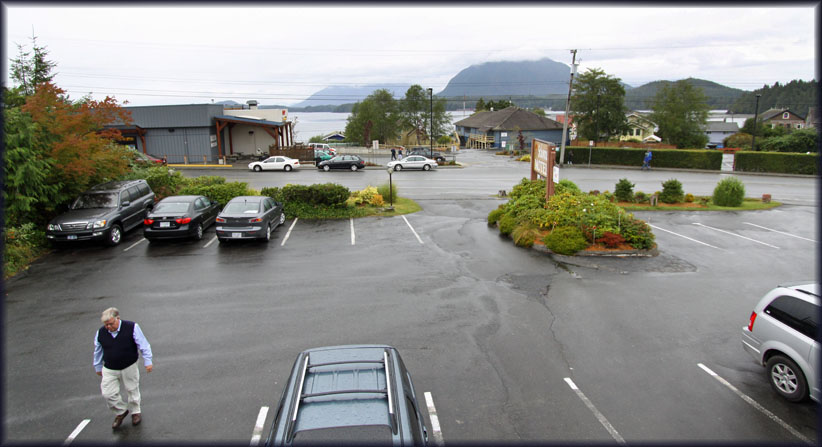
 Our world was increasingly becoming smaller, the low hanging clouds were more and more obscuring the mountains in the distance. And it kept raining... We were holed up in Tofino (and quite liked it). |
 |
 |
 |
 |
 |
|
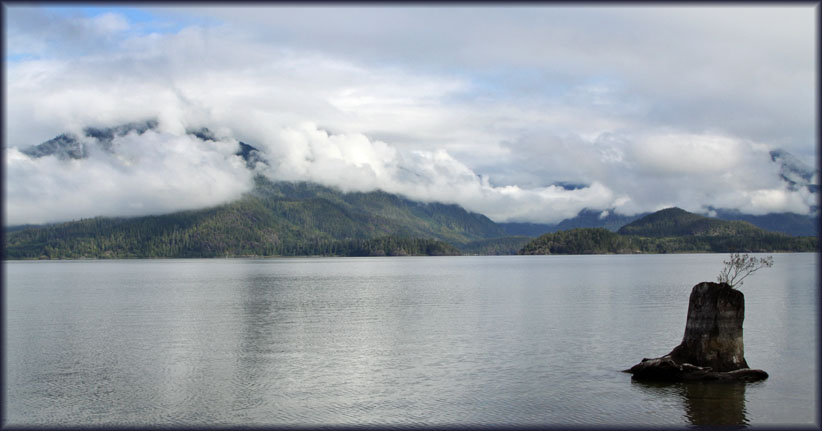
Kennedy Lake
 This is a remarkable place: Cathedral Grove. Both sides of the road have a trail and the gigantic trees ooze pre-historic times, you'd half expect to come across a Dinosaur! Remembering our visit and walk in 1999, this time we did our walk on the other side of the road. Unfortunately a part of the Living Forest Trail was closed due to significant damage done by a fallen tree, but I found that quite irritating: you can be too safety conscious too and I found that very much the case here. |
 |
 |
 |
 |
 |

|
 Dirk arranged for me a flight with a deHavilland DHC-2 Beaver, which was doing a regular run to Knight Inlet, bringing in relief crew for a logging company, as well as all kind of equipment, personal goods and other things. |
|
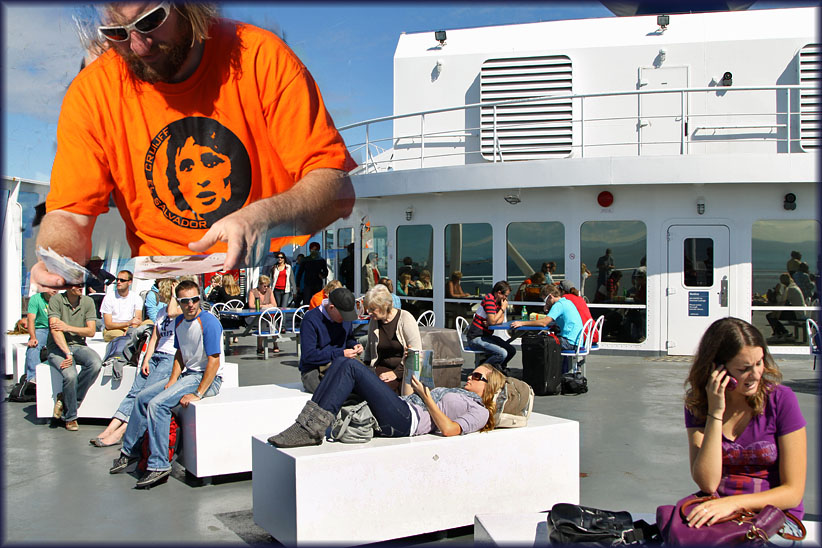
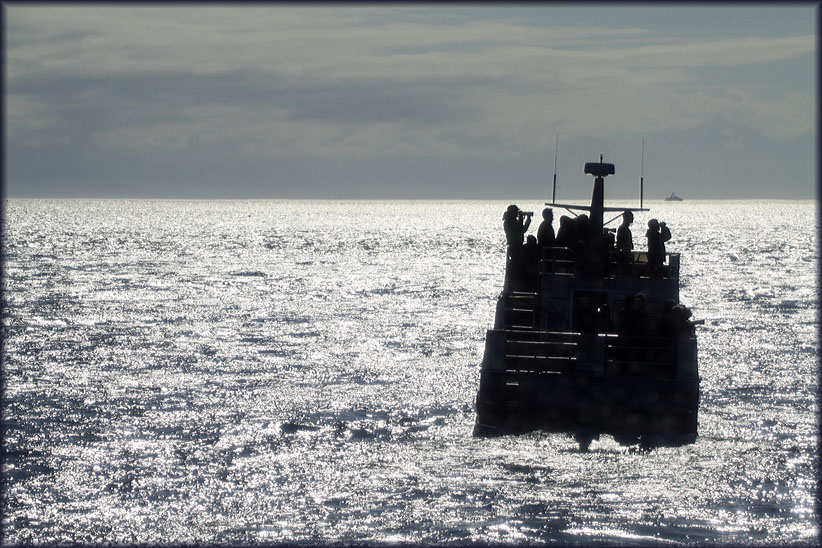
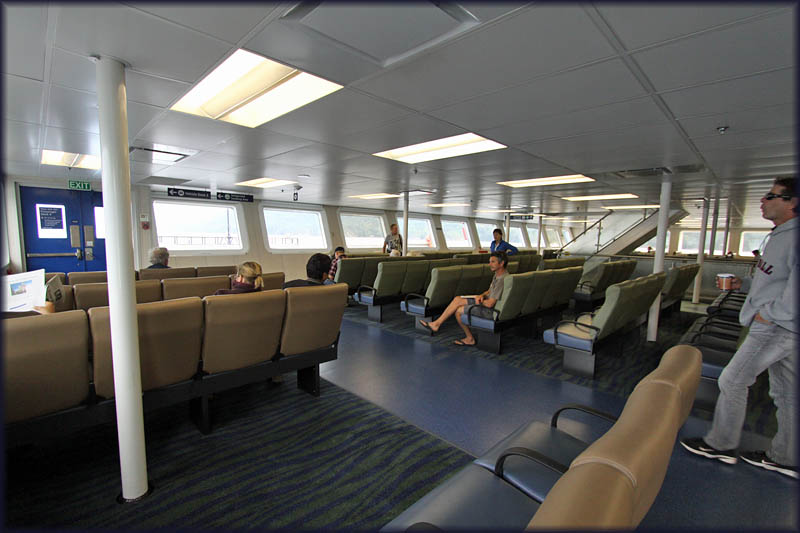 Another form of transport: the BC Ferries, a very relaxing way to travel among the islands. |
  |
|
|
 After all that education on salmon, we treated us ourselves on a 'Two-shot Esspresso-Tall-Mocha, with hazalnut flavor'. With whipped cream? Yes Ma'am! |
|
|
The End |
Museum of Anthropology website In CANADA 2019 I travelled much the same area! |
|