CANADA 2019
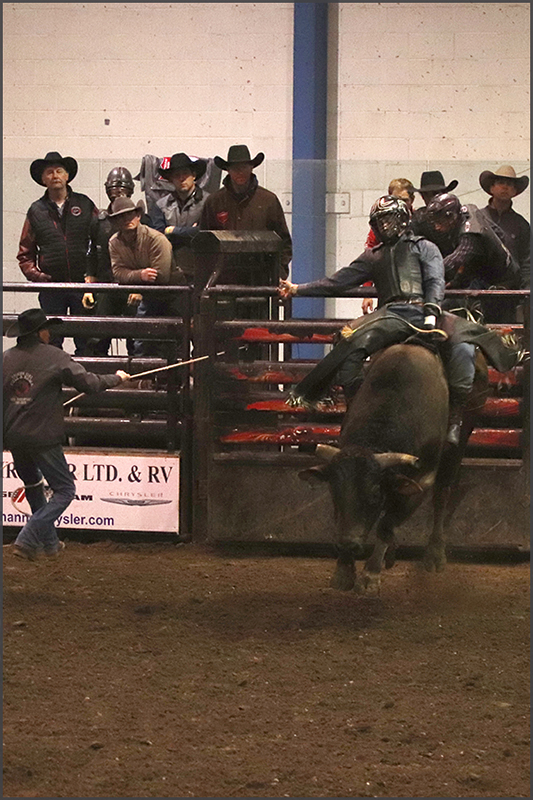
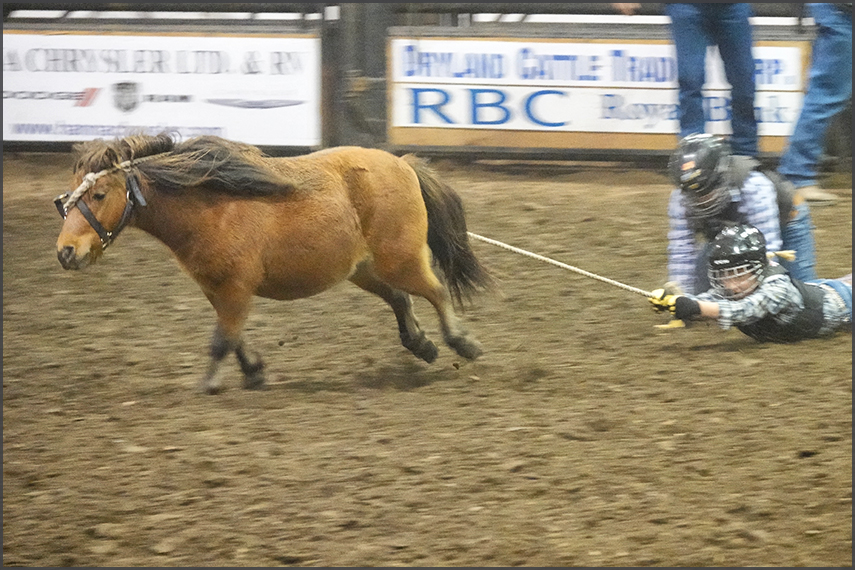
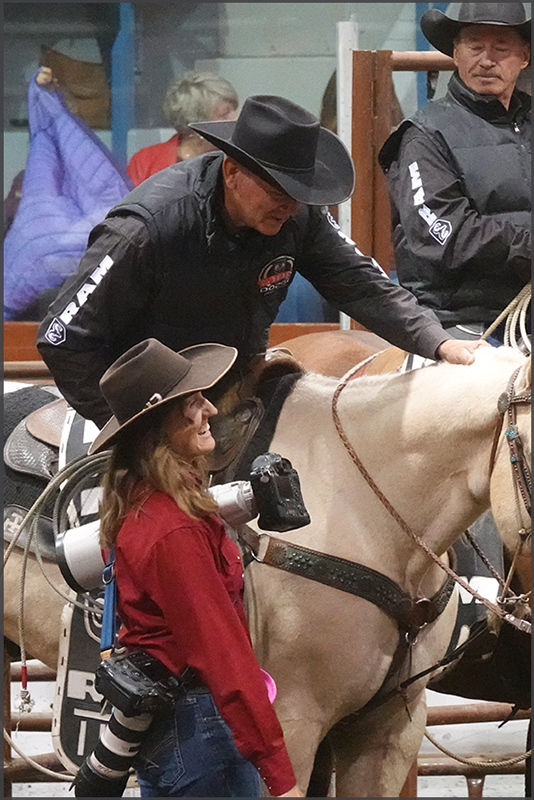
PRO RODEO @HANNA, ALBERTA
PAGE ONE | PAGE TWO
 Photos © Ruud Leeuw
Certain events like rodeos or car racing are typical events I like to attend, but most holiday travel see litle opportunity to visit such a venue as the start and ending of the holidays may take up two of perhaps three weekends. |

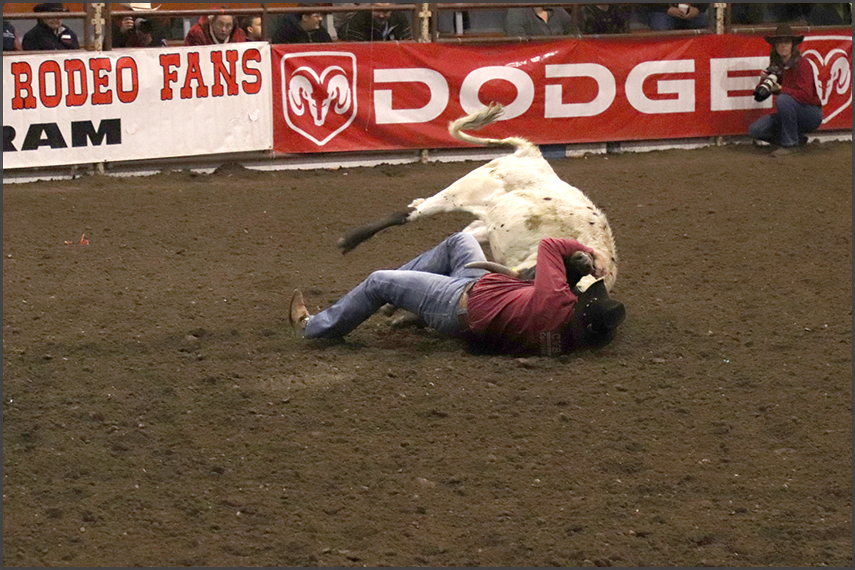
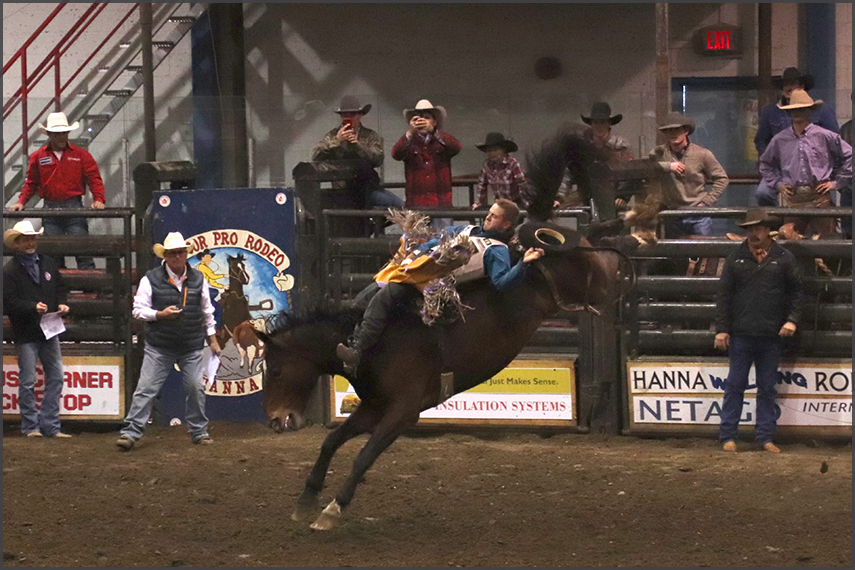
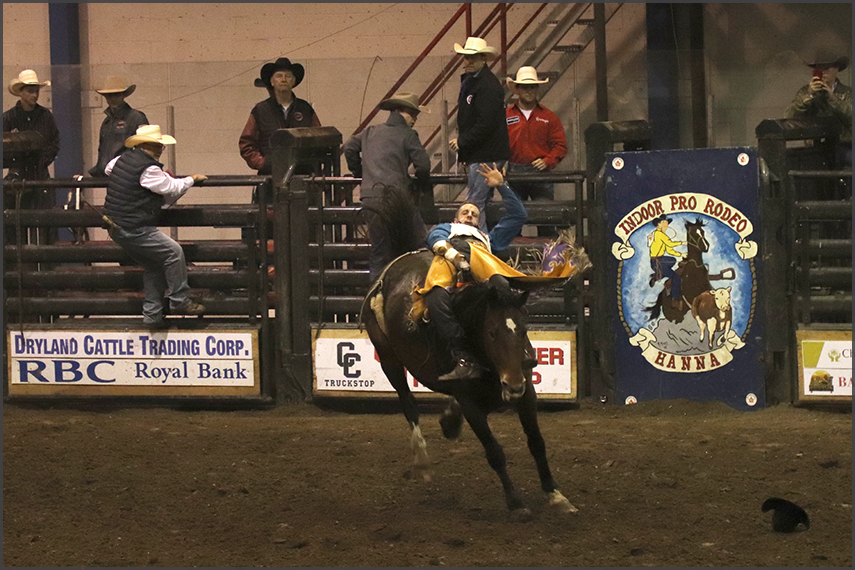
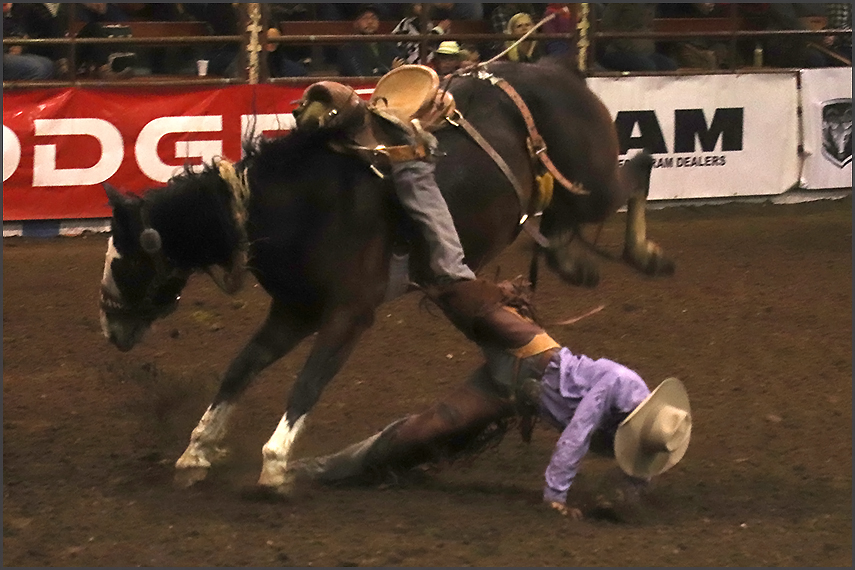
| The Hanna Indoor Pro Rodeo wrapped up the Canada Pro Rodeo circuit on Sept. 29th (2019), giving rodeo contestants one last kick at the can to get their ranks up high enough to attend the CPR Finals in Red Deer on Oct.29th-Nov.02nd. |
|


Rodeo is a competitive sport that arose out of the working practices of cattle herding in Spain, Mexico, and later Central America, South America, the United States, Canada, Australia, New Zealand, and the Philippines. It was based on the skills required of the working vaqueros in the charreria and later, cowboys, in what today is the western United States, western Canada, and northern Mexico. |
|


www.hanna.ca/rodeo
|



|


|


|


|


|


|


|


|

|


|


|


|


|


|


www.prorodeo.com/prorodeo/membership/prca-photographers
www.prorodeo.com/prorodeo/rodeo/rodeo-results/2019-rodeo-results |


PAGE ONE | PAGE TWO |
EXTERNAL LINKS: |
|

