LONDON, UK
|
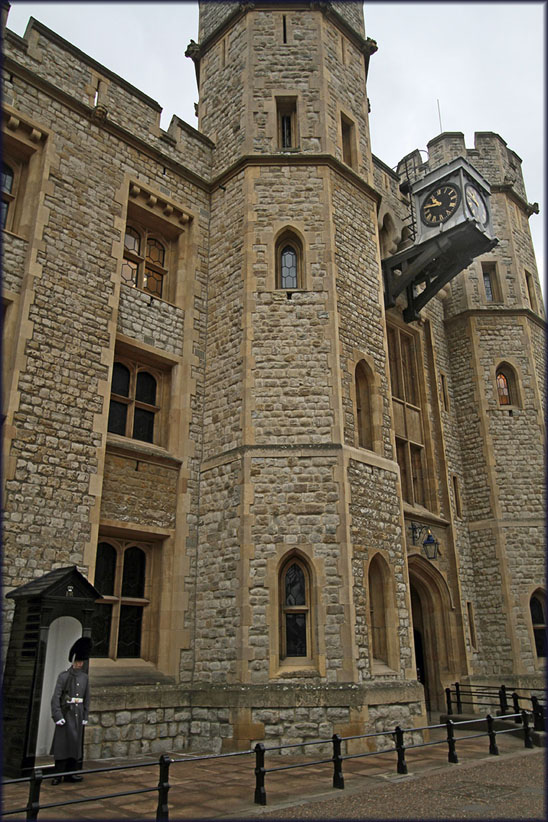
Her Majesty's Royal Palace and Fortress, more commonly known as the Tower of London, is a historic castle on the north bank of the River Thames in central London, England. ALL PHOTOS © RUUD LEEUW |
|
| The Tower of London has played a prominent role in English history. It was besieged several times and controlling it has been important to controlling the country. The Tower has served variously as an armoury, a treasury, a menagerie, the home of the Royal Mint, a public records office, and the home of the Crown Jewels of the United Kingdom. From the early 14th century until the reign of Charles II, a procession would be led from the Tower to Westminster Abbey on the coronation of a monarch. In the absence of the monarch, the Constable of the Tower is in charge of the castle. This was a powerful and trusted position in the medieval period. In the late 15th century the castle was the prison of the Princes in the Tower. Under the Tudors, the Tower became used less as a royal residence, and despite attempts to refortify and repair the castle its defences lagged behind developments to deal with artillery. |
|
| The peak period of the castle's use as a prison was the 16th and 17th centuries, when many figures fallen into disgrace, such as Elizabeth I before she became queen, were held within its walls. This use has led to the phrase "sent to the Tower". Despite its enduring reputation as a place of torture and death, popularised by 16th-century religious propagandists and 19th-century writers, only seven people were executed within the Tower before the World Wars of the 20th century. Executions were more commonly held on the notorious Tower Hill to the north of the castle, with 112 occurring there over a 400-year period. In the latter half of the 19th century. |
William III (4 November 1650 – 8 March 1702) (Dutch: Willem III) was a sovereign Prince of Orange by birth, William Henry of Orange was born in The Hague in the Dutch Republic on 04Nov1650. |
|
There were several phases of expansion, mainly under Kings Richard the Lionheart, Henry III, and Edward I in the 12th and 13th centuries. The general layout established by the late 13th century remains, despite later activity on the site.
|
|
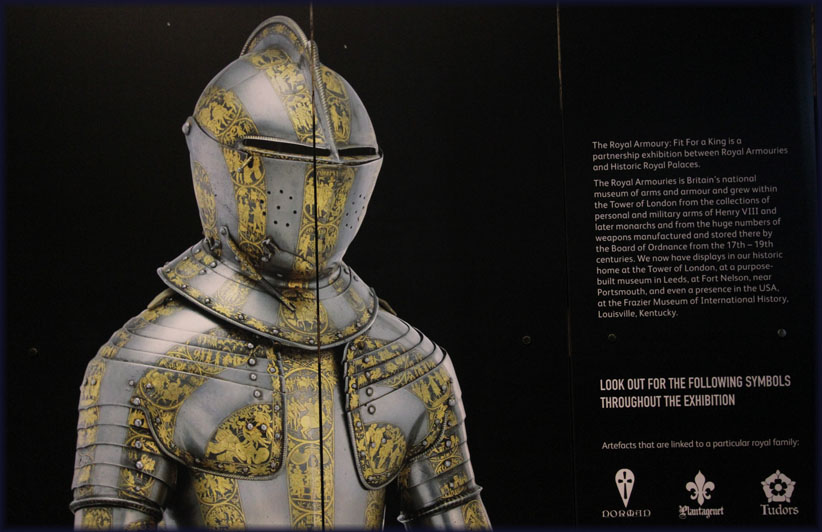
| The Tower of London has become established as one of the most popular tourist attractions in the country. It has been a tourist attraction since at least the Elizabethan period, when it was one of the sights of London that foreign visitors wrote about. Its most popular attractions were the Royal Menagerie and displays of armour. The Crown Jewels also garner much interest, and have been on public display since 1669. The Tower steadily gained popularity with tourists through the 19th century, despite the opposition of the Duke of Wellington to visitors. Numbers became so high that by 1851 a purpose-built ticket office was erected. By the end of the century, over 500,000 were visiting the castle every year. |
Other pages on this London trip: LONDON - CITY OF WESTMINSTER AND WHITE CHAPPEL WALKING THE STREETS WALKING BY NIGHT |
|