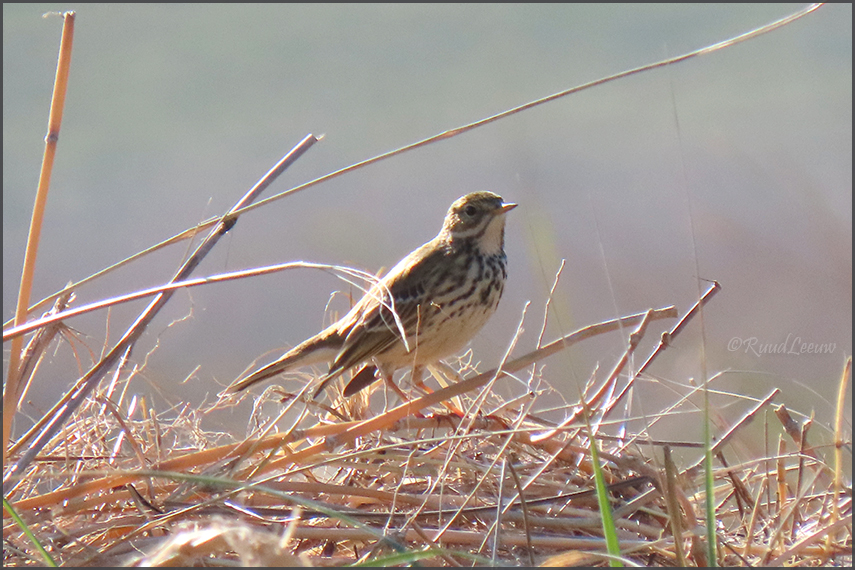
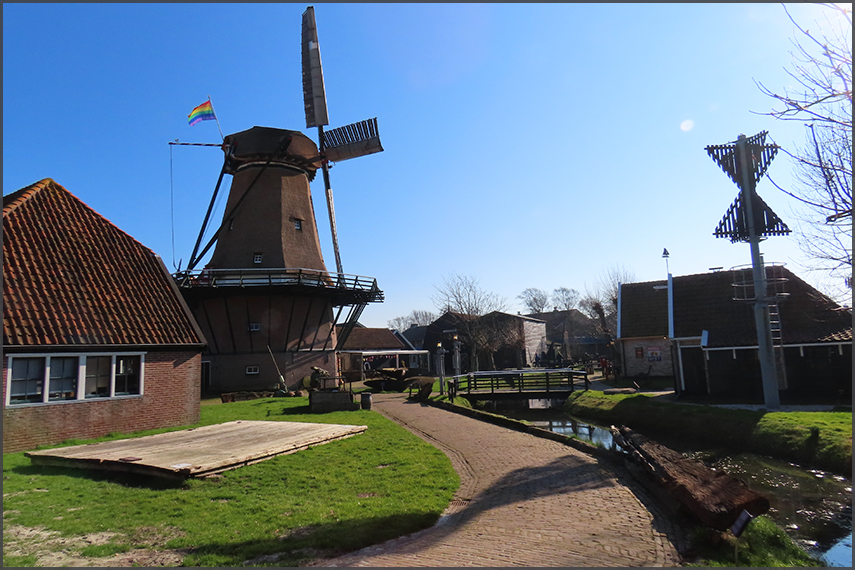
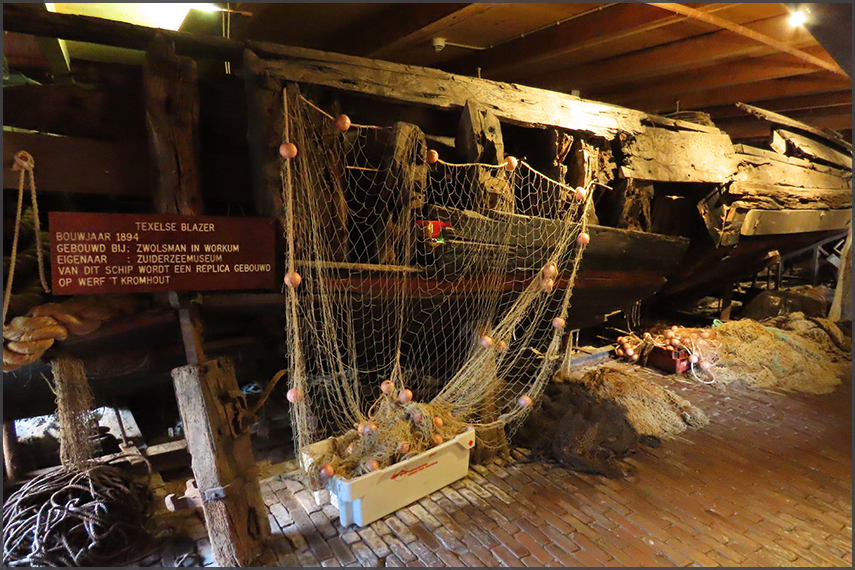
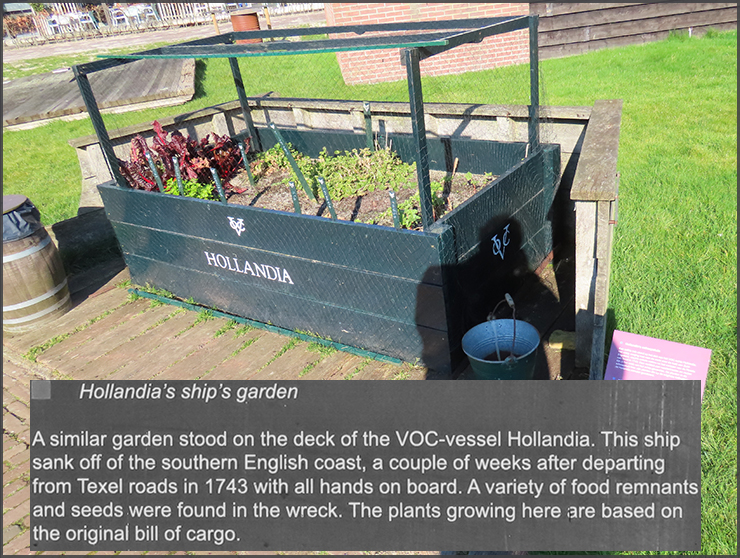
Texel is well-known for 'birding; for me the visit was a (modest) mix of birding and first ever visit to Texel.
This time of year there are mostly ducks & geese, starlings woke us up in the morning and it was the first time I
spotted a Tureluur (Tringa totanus; EN: Common redshank)
in the wild.

The Bird Information Centre in De Cocksdorp; they have an excellent assortment of books, binoculars in
all shapes and sizes, stuffed birds, good advise and excursions can be booked here too.
Nearby is the Texel lighthouse 'Lange Jaap'.

Lighthouse Texel

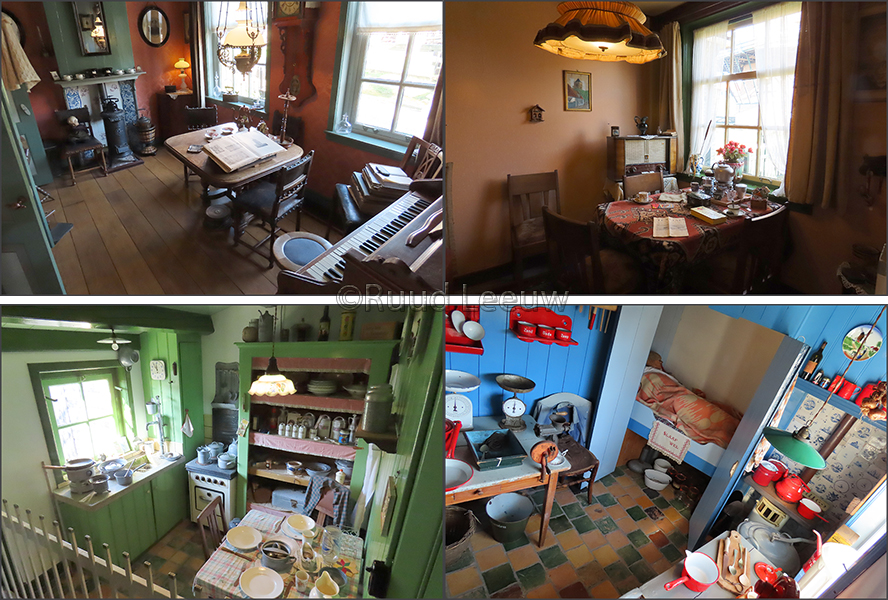
It is also a museum. The lighthouse is in fact two lighthouses, one built (1948) around the older one (1864).
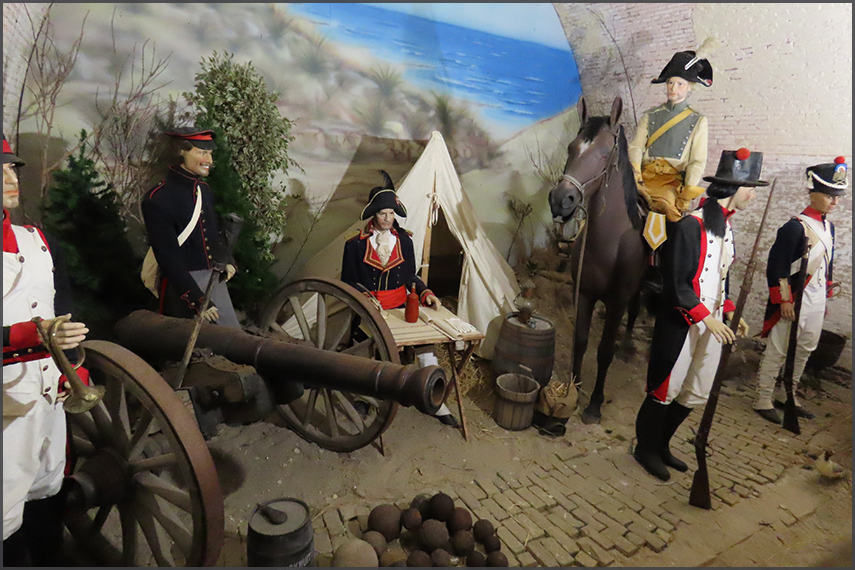
This was also the last point of defense for an uprising of Georgian soldiers against the Germans in april 1945.
Bullet holes can still be seen. It is an easy climb to the top with interesting history on every level (about 6 floors).

Information about the surrounding area. Much of Texel is reclaimed land.
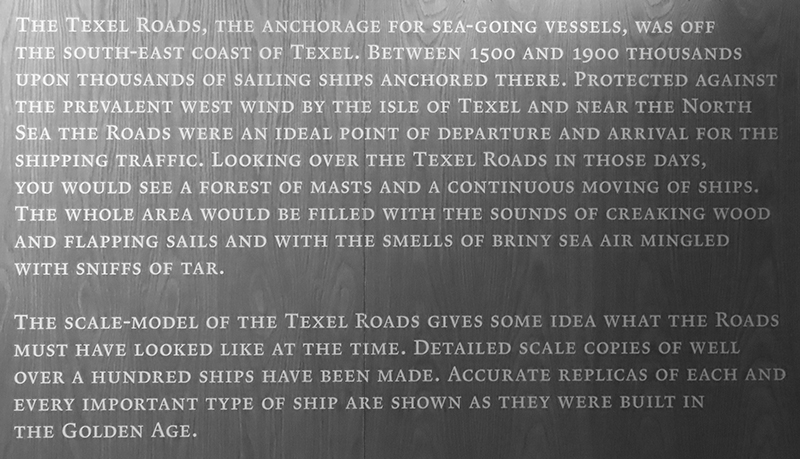
The sea surrounding Texel has many treacherous sandbanks and requires exact navigation.

Information about the Netherlands and its sealevel (N.A.P. is a standard for normal sea water level)

During the years 1864-1937 the lighthouse keeper had to sit outside... During WW2 the light was kept turned
off.
After the war a 24/7 watch was kept, after 15Sep1988 no watch was kept at night. In 1989 a radar was installed.
Since 2003 no person keeps watch on the lighthouse, the light is turned on by a sensor.

A bit of humour. And a test for your cognitive sensitivities.

View from the lighthouse; during this short visit we had unusual warm weather. Beaches fill up pretty quickly in summer.

Texel Airport
A nice place for lunch outside and watch some general aviation movements
come and go.
There is also this memorial
of the tragic DC-3 crash in the Waddenzee on 25Sep1996.
'The DC-3 PH-DDA took off from the island of Texel at 16:28 for a return trip to Amsterdam. Engine problems were reported at 16:33 to Texel Radio. The crew switched over to NAS De Kooy Approach and told De Kooy they wanted to make an emergency landing. At that time they were flying at 600 feet, 11nm NE of NAS De Kooy. The crew tried to feather the no. 1 prop, but part of the feathering-mechanism failed. The prop started windmilling, causing drag.
The aircraft descended and control was lost at 180 m when the speed had dropped below minimum control speed. The DC-3 crashed onto a mud-flat.
The aircraft had been overloaded by 240 kg (maximum 11895 kg), but this wouldn't have had any negative effects on the controllability of the aircraft.' |
aviation-safety.net/database/record

Lockheed 14-WF62 Super Electra, PH-APE (c/n 1413)
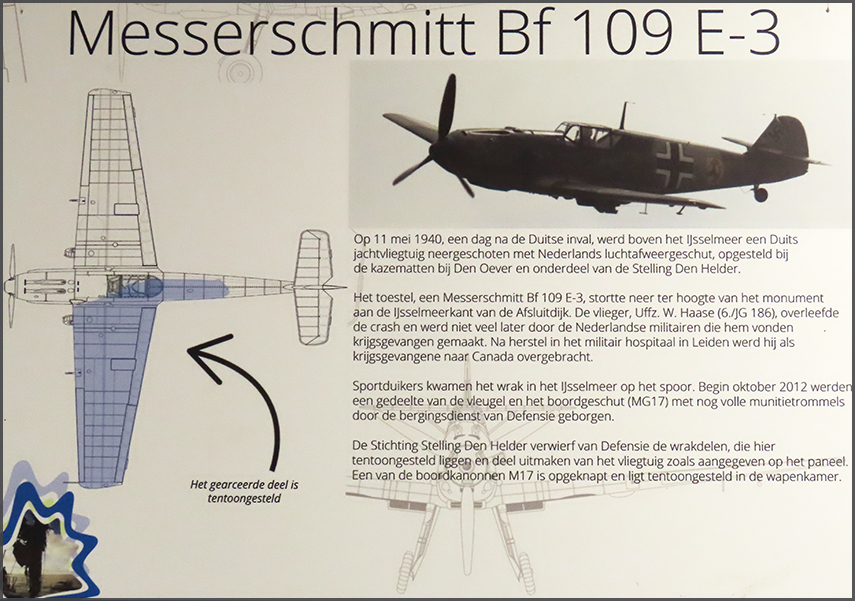
Inside the restaurant is an excellent selection of historic aviation
photography at this airport.
On 09Dec1938 PH-APE crashed near Schiphol on a training flight [www.edcoatescollection.com]
 Photos © Ruud Leeuw