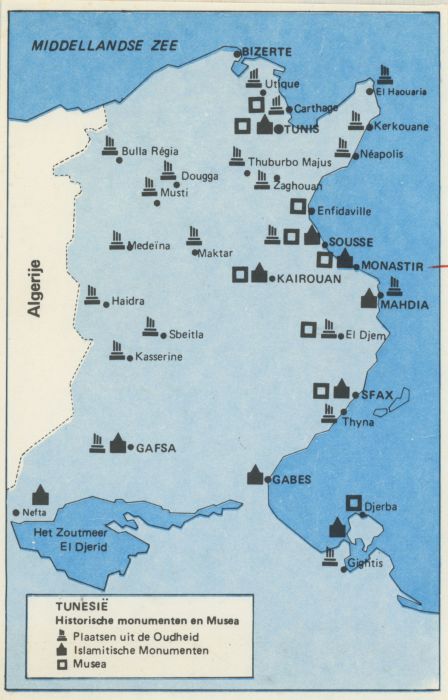
Travelogue Tunisia 1982 - Ruud Leeuw

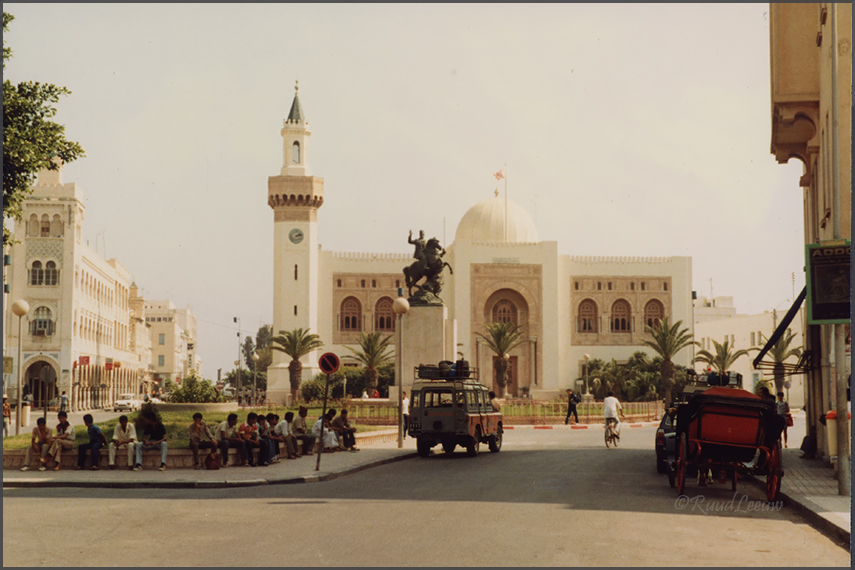
In 1982, on our honeymoon, we paid our first visit to the African continent. We flew to Monastir and stayed in Port El Kantaoui, a cluster of modern hotels near Sousse. From the hotel we booked several excursions, including a desert-safari in two landrovers. We got our share of sun, sand and culture!
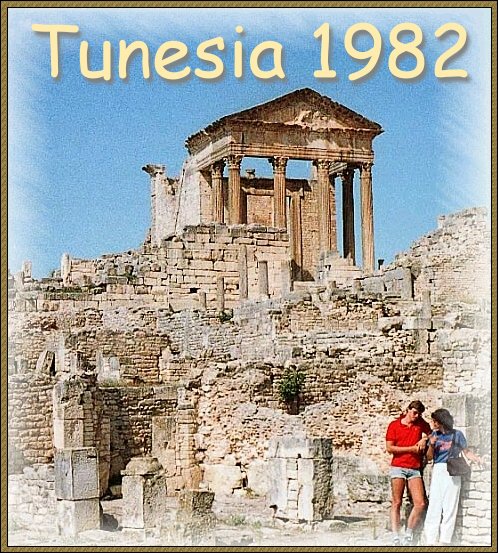
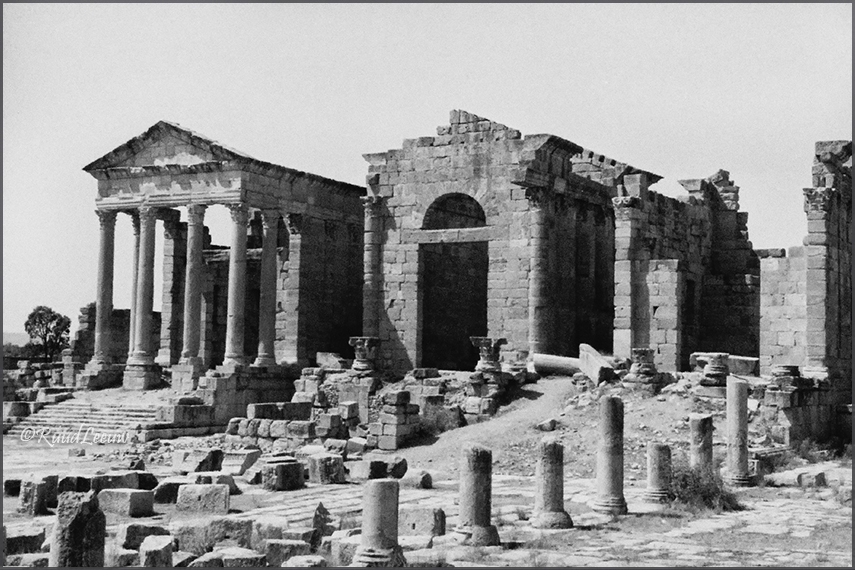
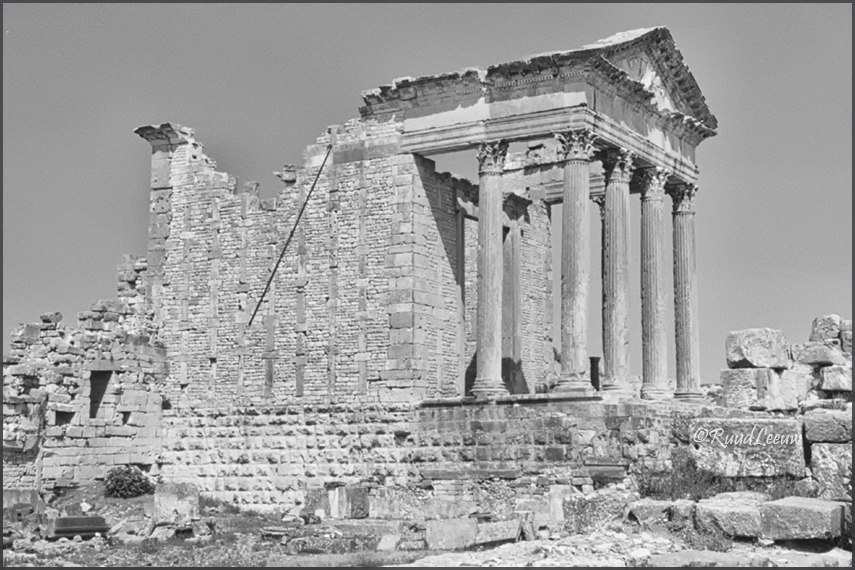
The above photo is taken in Dougga ('Thugga', in ancient times), a very impressive Roman city.

Travelogue Tunisia 1982 - Ruud Leeuw
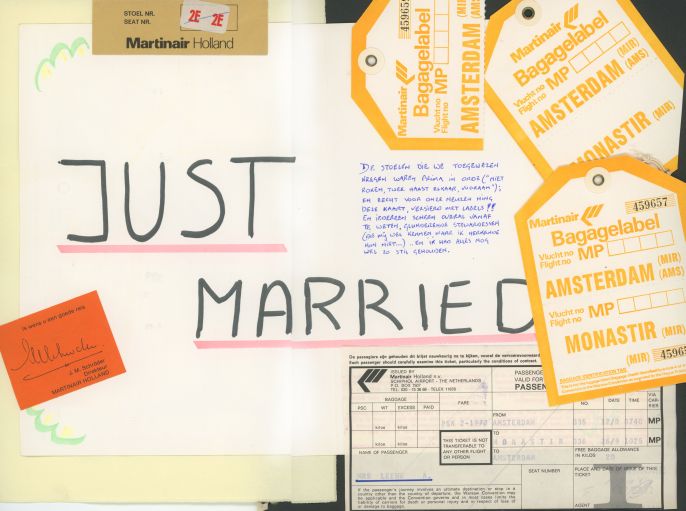
Just Married! My colleagues with Martinair had decorated the bulkhead for us!

Travelogue Tunisia 1982 - Ruud Leeuw
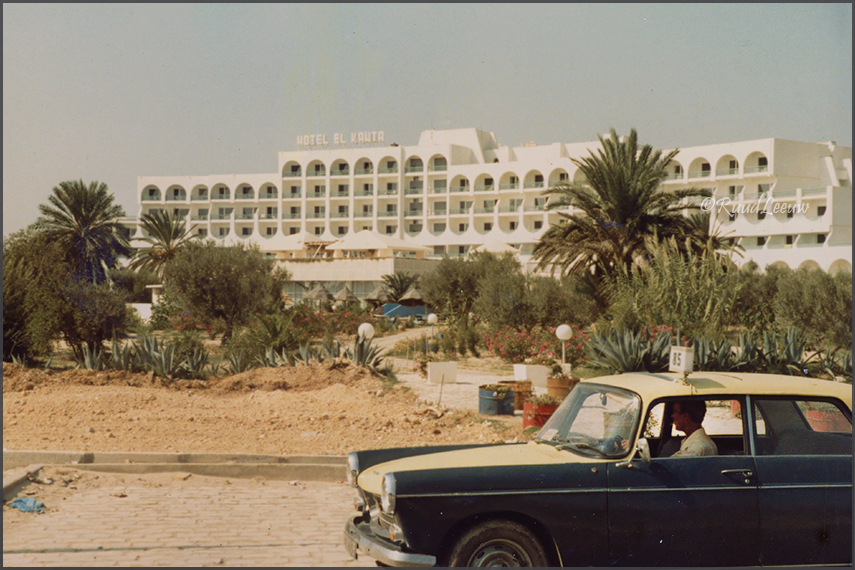
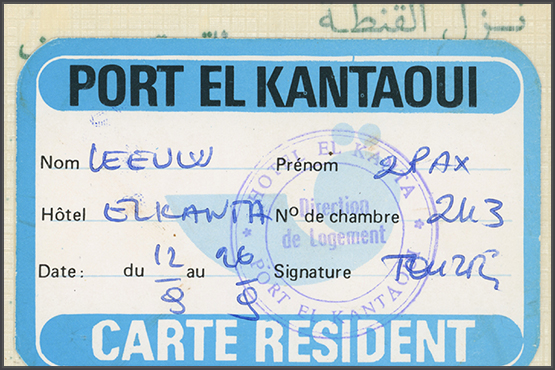
Hotel El Kanta, advised upon our arrival at MIR by the tour operator's hostess. We had arrived without any
booking and the Holland International (HINT) proved to be of great help to us.

El Kantaoui
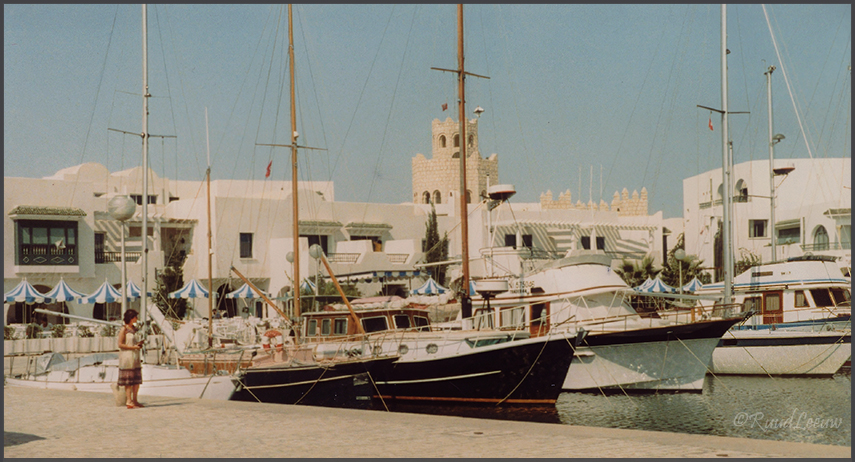
Port El Kantaoui. There were a few small shops nearby the hotel

Travelogue Tunisia 1982 - Ruud Leeuw
Exploring the area surrounding our hotel, all very new including this small port

Exploring SOUSSE

Ships in port arrived sometimes from great distances, e.g. Hong Kong. Travelogue Tunisia 1982 - Ruud Leeuw

Sousse has an interesting history. It already existed in Punic times, 9th century B.C.
Hannibal prepared his battle against Scipio here ! In Roman times Sousse was called "Hadrumetum" and it had its fair share of battles, destruction and rebuilding thru the ages.
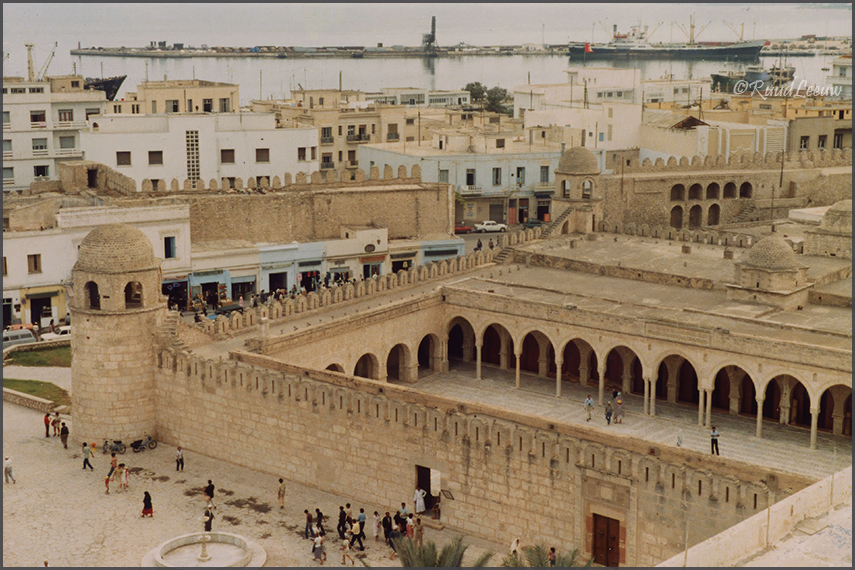
The Mosque pictured here is located on the border of the old and the new city of Sousse and was built around year 850. In 1964 it was restored extensively.

#E8EADF
We walked through old parts of Sousse and explored the Medina, Soukhs and the Ribat.

#E8EADF
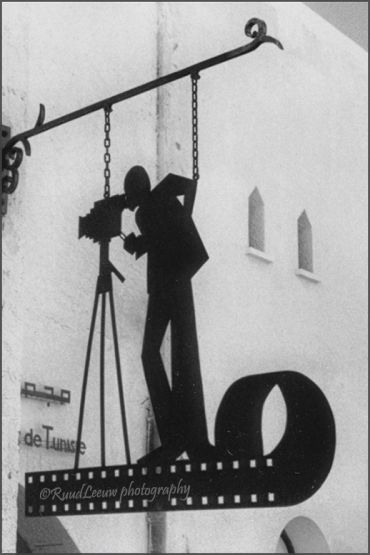
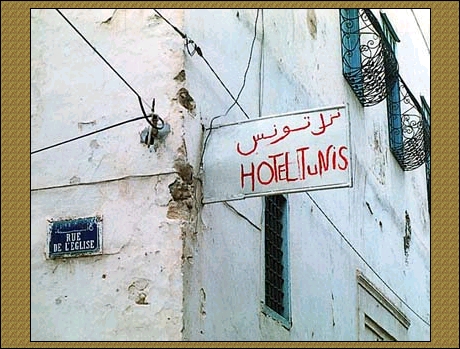
I rather liked this sign!

Travelogue Tunisia 1982 - Ruud Leeuw
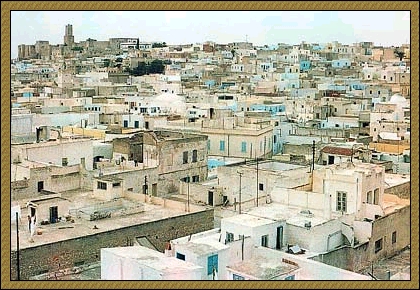
In the upper left corner the Kasba can be seen, built in the 9th century and used these days as a museum.

Travelogue Tunisia 1982 - Ruud Leeuw
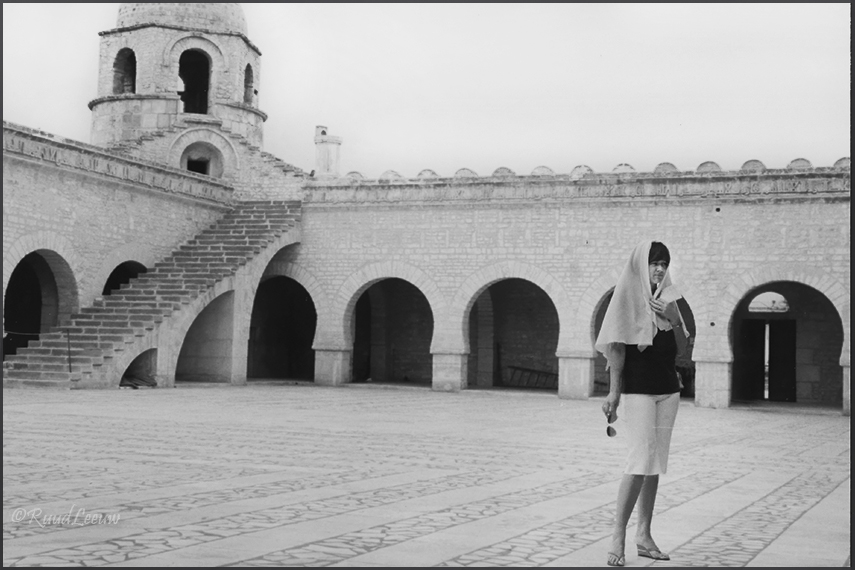
Ada was issued a headscarf

In the upper left corner the Kasba can be seen, built in the 9th century and used these days as a museum.
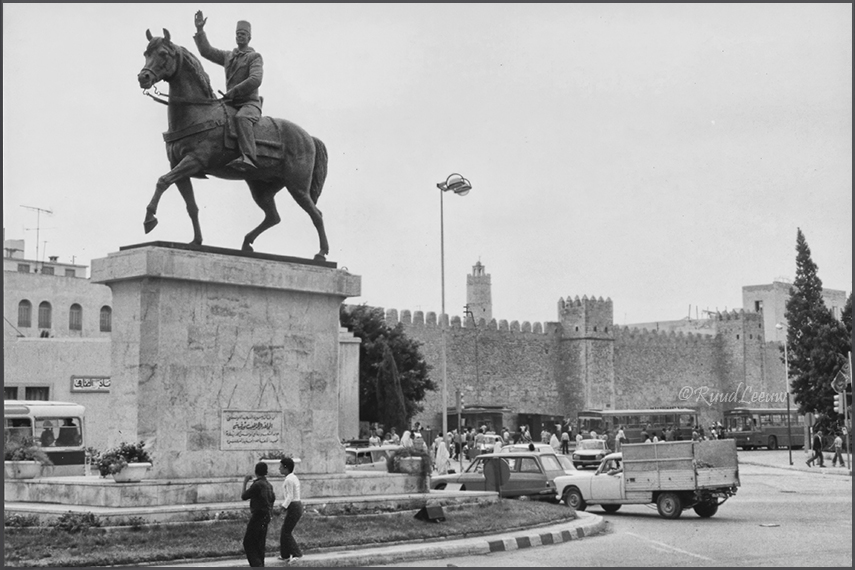
The streets of Sousse

In the upper left corner the Kasba can be seen, built in the 9th century and used these days as a museum.

In the upper left corner the Kasba can be seen, built in the 9th century and used these days as a museum.
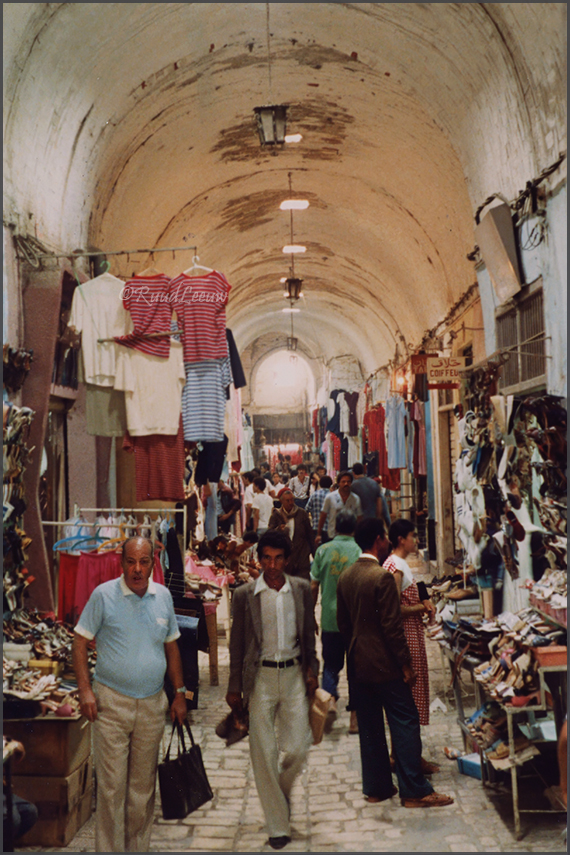
The Soukh. The Arabs were probably the first with "shopping malls"...
The atmosphere is distinctly different, with people shopping, browsing and a lot of haggling going on.
The fact that it's warm and unairconditioned only adds to that atmosphere.

 
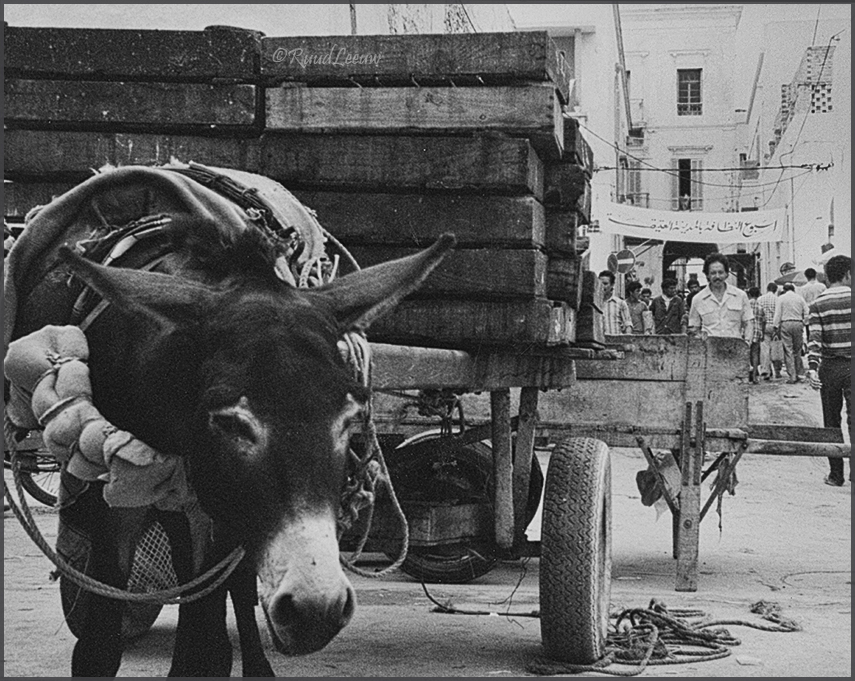
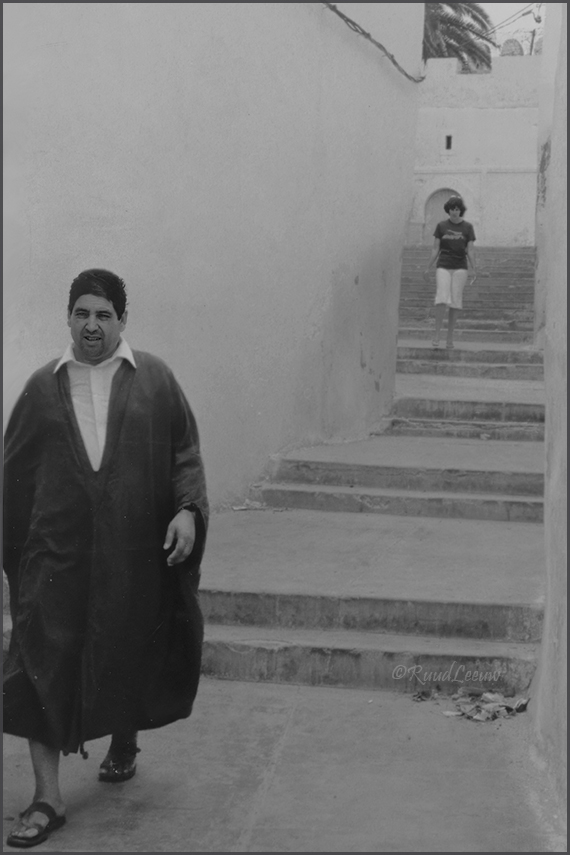
Some pictures taken in the streets; one has to be careful here, most people don't like to have their photo taken.

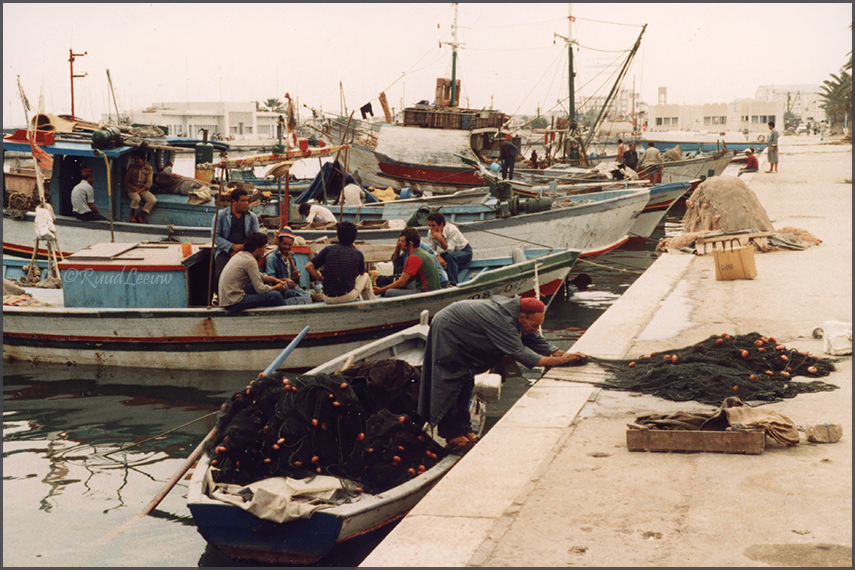
Back on the waterfront
Travelogue Tunisia 1982 - Ruud Leeuw

Travelogue Tunisia 1982 - Ruud Leeuw
No, we did not stay here..!
A hotel like this is probably for the more adventurous!


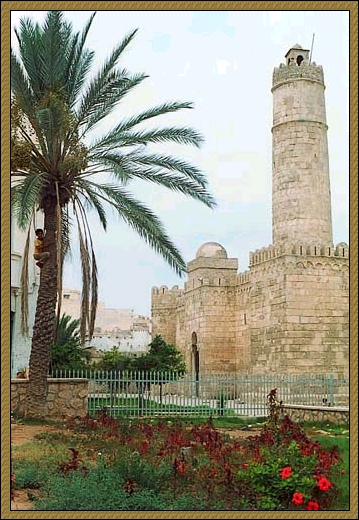
All along the coast of the Maghreb (North Africa) there are watchtowers such as this one, which can light
a fire to warn about enemies approaching the coast. There are thousands of these watchtowers!
A similar system was used on the Great Wall in China.
Note the kid climbing that tree!


We flew to Monastir and stayed in a hotel near Sousse.
Dougga was visited on a day trip, the desert tour we passed through Sfax
and desert locations.


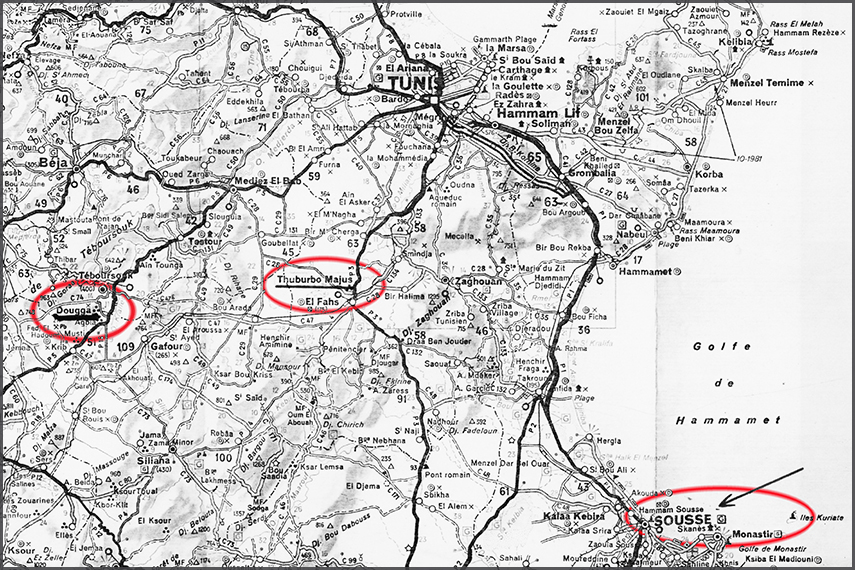
Through our great help, the hostess of Holland International,Annette Westerhoek, we booked a day excursion
to Dougga and Thuburbo Majus. On and off I've always been interested in Roman history.
Travelogue Tunisia 1982 - Ruud Leeuw

Dougga (or Thugga or TBGG) was a Berber, Punic and Roman settlement near present-day Téboursouk in northern Tunisia.
The current archaeological site covers 65 hectares (160 acres).
UNESCO qualified Dougga as a World Heritage Site in 1997, believing that it represents "the best-preserved Roman small town in North Africa".
The site, which lies in the middle of the countryside, has been protected from the encroachment of modern urbanization, in contrast, for example, to Carthage, which has been pillaged and rebuilt on numerous occasions.

Dougga's size, its well-preserved monuments and its rich Numidian-Berber, Punic, ancient Roman, and Byzantine history make it exceptional.
Amongst the most famous monuments at the site are a Libyco-Punic Mausoleum, the Capitol, the Roman theatre, and the temples of Saturn and of Juno Caelestis. [¬ en.wikipedia.org:_Dougga]

Travelogue Tunisia 1982 - Ruud Leeuw
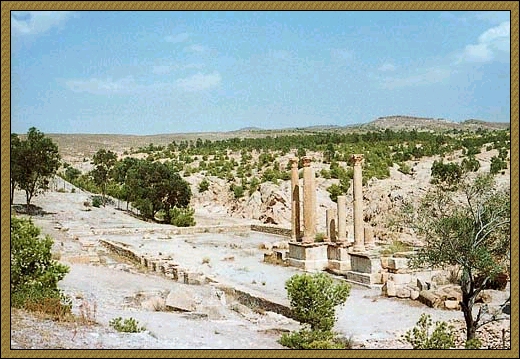
Dougga ("Thugga"). This city was founded by the Berber people and is surrounded by farmland (in a dry sort of way...). Its location brought it prosperity through the ages and we see these proud Roman remains survive past centuries. It is in stark contrast with the way things are in Tunesia these days: empires come and go.
Travelogue Tunisia 1982 - Ruud Leeuw
Dougga lies amidst a beautiful countryside.
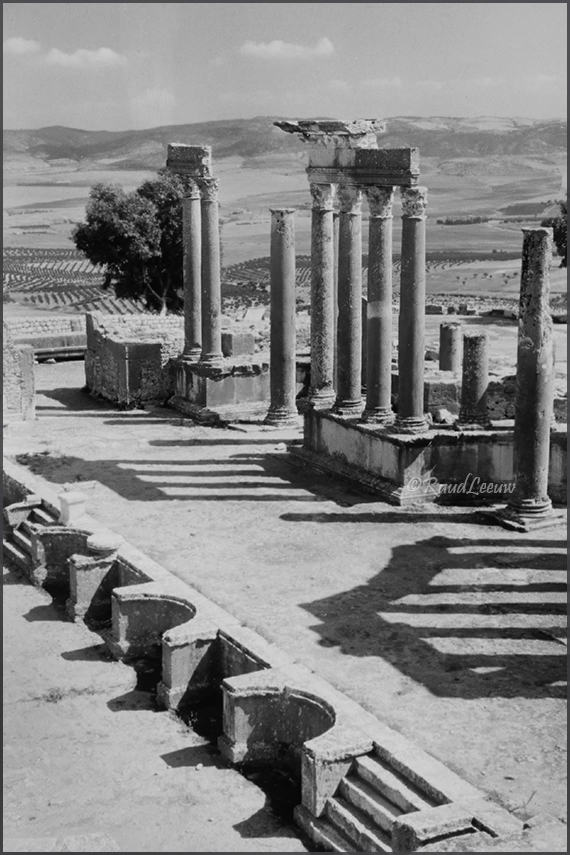
Travelogue Tunisia 1982 - Ruud Leeuw
This may be Thuburbo Majus, the photos became rather mixed in my (analogue)
album in 1982. In 2025 I scanned the photos for a printed album after working
the old photographs and used some of the photos for this extended travelogue.

In 1857 French diplomat Charles-Joseph Tissot came to the conclusion that the ruins he visited at Henchir al-Kasbat, c.50-60 kilometers south of Tunis, were those of Thuburbo Majus. Henchir is an Arabic word meaning "farm with ruins" and the discovery of many ancient Roman towns was facilitated by their ruins being referred to as henchir.
The 1895 Murray's 'Handbook for travellers in Algeria and Tunisia' made reference to Thuburbo Minus, an ancient Roman town in the Mejerda River valley, but ignored the existence of Thuburbo Majus, because at the time the site was yet to be excavated. [¬ www.romeartlover.it/Thuburbo]

Southwest of Carthage, it's on a major African thoroughfare connecting Carthage to the Sahara. Other towns along the way included Sbiba, Sufes, Sbeitla, and Sufetula. Parts of the old Roman road are in ruins, but others do remain. [¬ en.wikipedia.org:_Thuburbo_Majus]


Travelogue Tunisia 1982 - Ruud Leeuw
Thuburbo Majus

Thuburbo Majus or Colonia Julia Aurelia Commoda, its Roman name, was originally a Punic town, later founded as a Roman veteran colony by Augustus in 27 BC.
Military veterans were sent to Thuburbo, among other sites, by Augustus to allow them to start their post-army lives with land of their own.
Its strategic location and access to trade routes made it an important establishment. Ruins of the town are in the middle of the countryside with no towns in close proximity. [¬ en.wikipedia.org:_Thuburbo_Majus]

Travelogue Tunisia 1982 - Ruud Leeuw
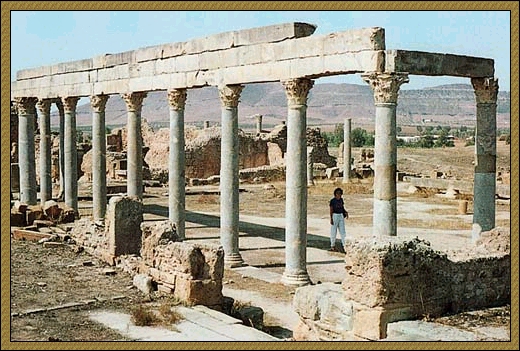
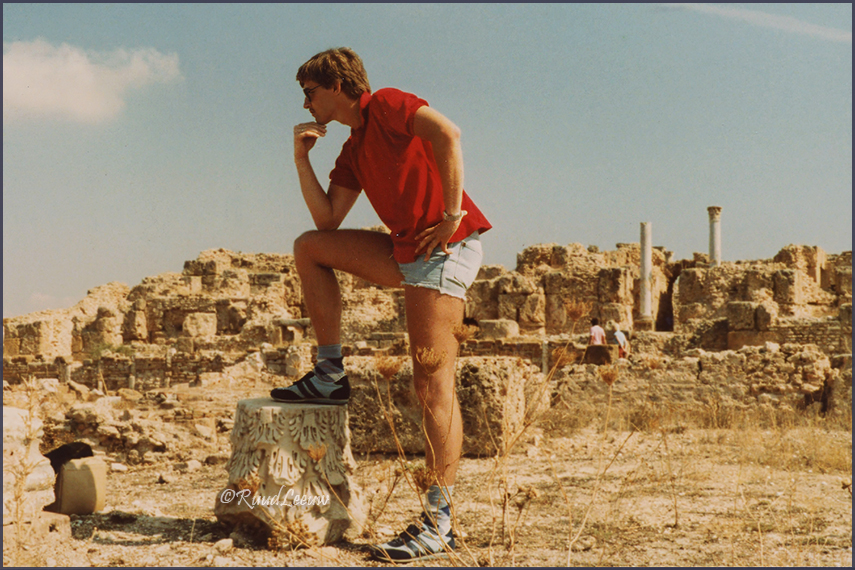
Thuburbo Majus.... another impressive site! This city was founded by Emperor Augustus (year 168).
The area was very dry and desolate (it's in the middle of nowhere !), but in Roman days it was a thriving city; it exported corn and (olive) oil. It was originally a Punic town, but was later founded as a Roman veteran colony. Emperor Hadrian visited here personally (2nd century) and declared it a municipality, which made the town really prosper. It was an important town because of it’s strategic location and trade.
During our visit in 1981 there was nothing here, except the ruins; I don't think there was much restoration going
on: beautiful mosaics were covered with sand and rocks. In later years a ticket office and a modest cafe were added. But there is plenty to see here and with some imagination you can picture how this city bustled with life
some 2000 (!) years ago.
Travelogue Tunisia 1982 - Ruud Leeuw

Travelogue Tunisia 1982 - Ruud Leeuw

Travelogue Tunisia 1982 - Ruud Leeuw
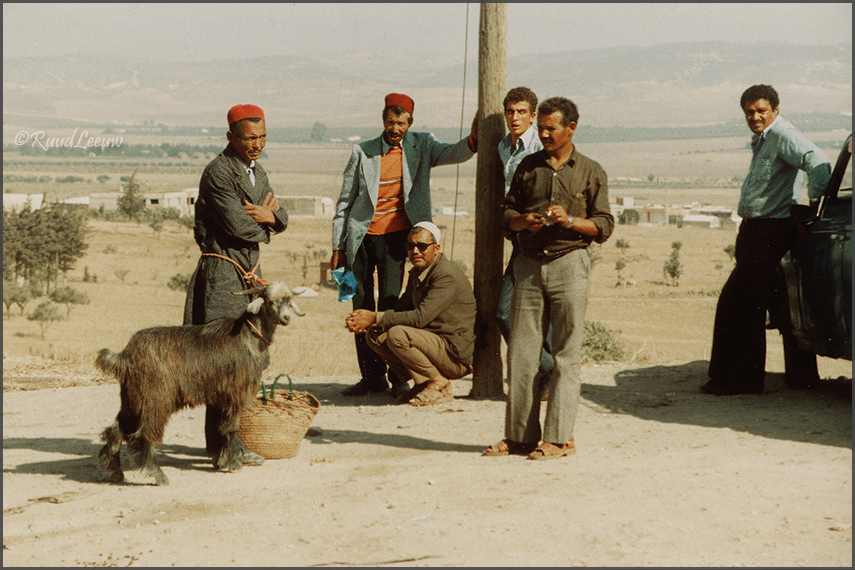
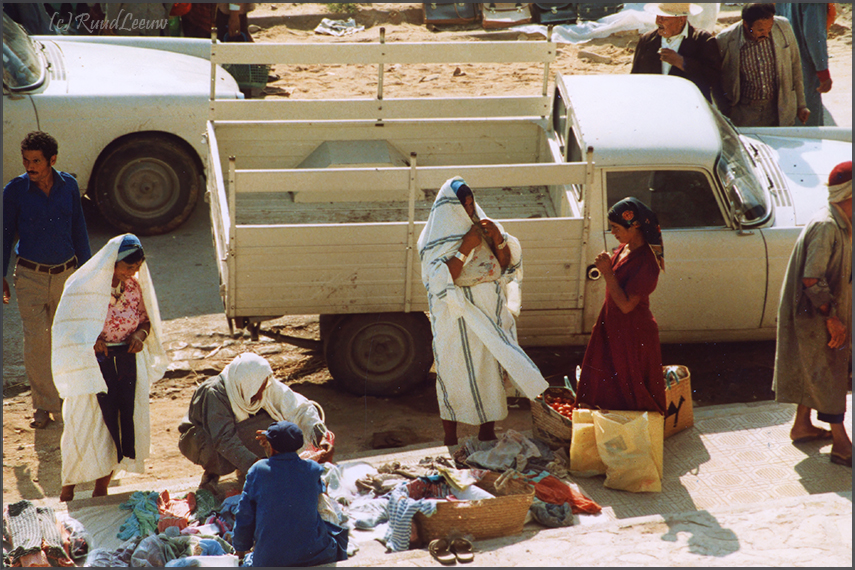
It's a man's world... Well, women meet as well and share news and gossip, but you don't see mixed groups here.
Travelogue Tunisia 1982 - Ruud Leeuw
We stopped sometimes at small villages for cold drinks and took in the sights


The start of a 4-day desert safari
Travelogue Tunisia 1982 - Ruud Leeuw
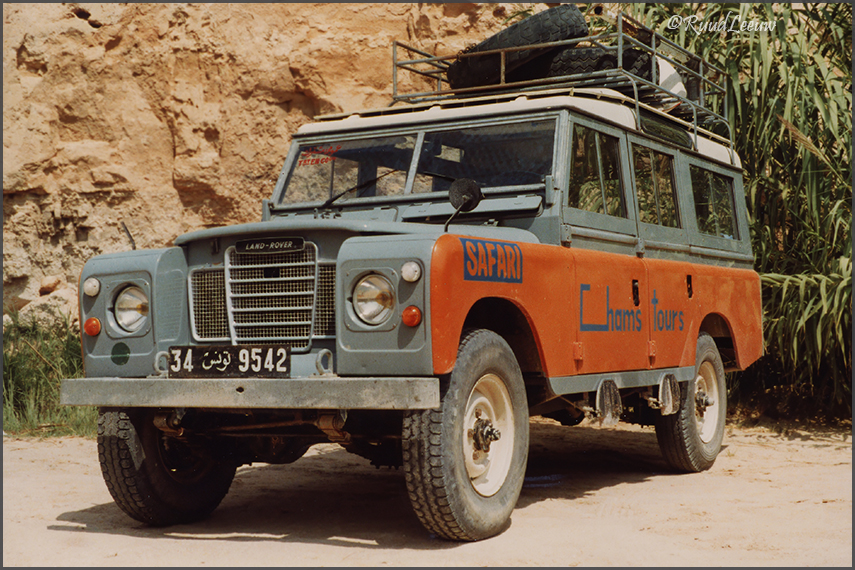
The sturdy landrovers did their job well

Travelogue Tunisia 1982 - Ruud Leeuw
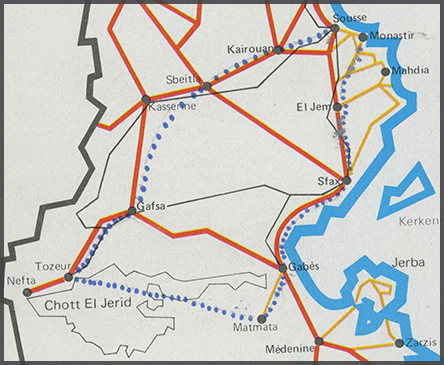
The route: via El Jem and Sfax to Matmata, into the desert for Tozeur
through 'Chott El Jerid', and back via the Roman ruins at Sbeitla, back to Sousse.

Travelogue Tunisia 1982 - Ruud Leeuw
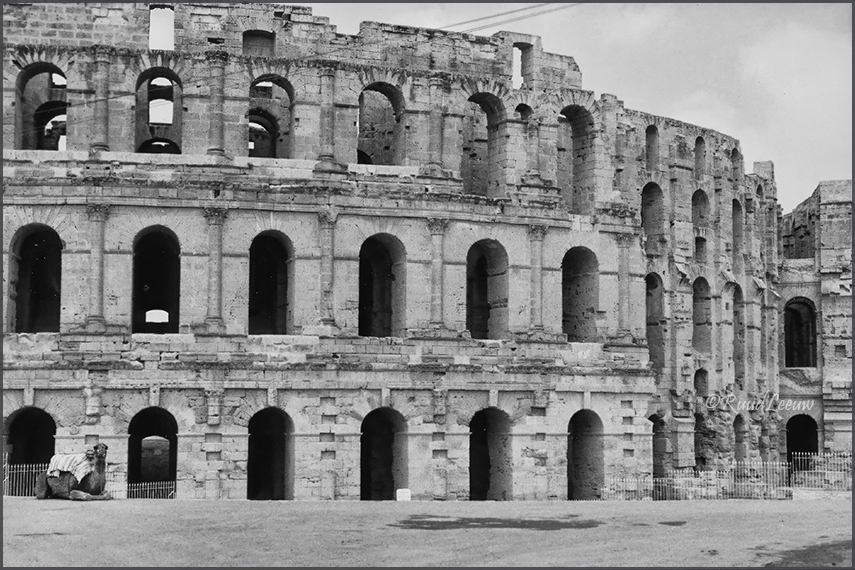
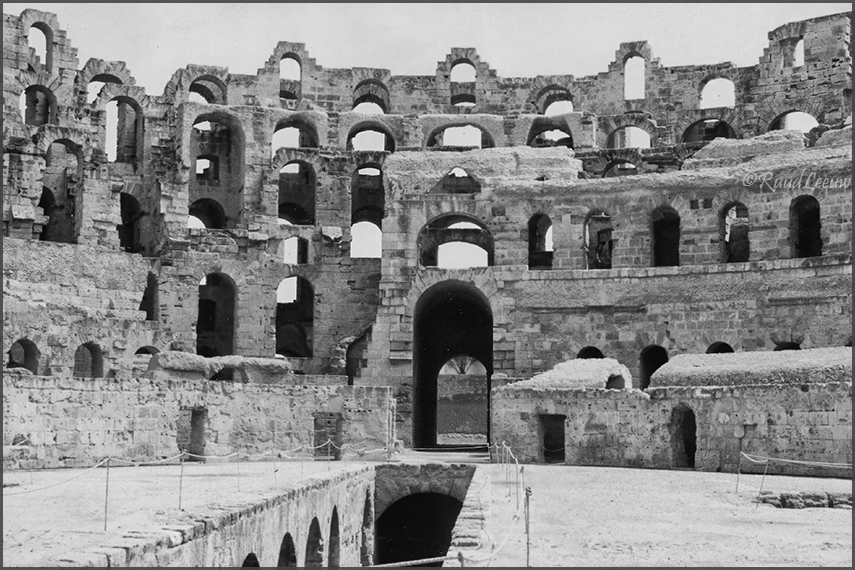
The arena at El Jem

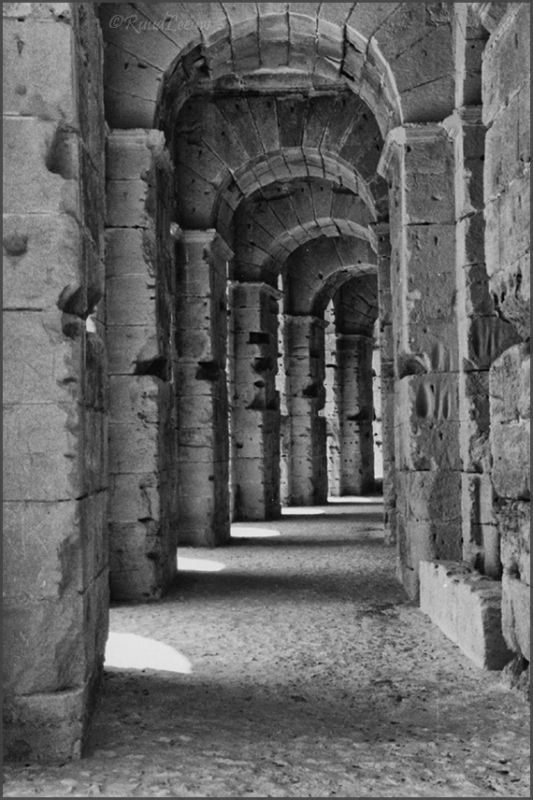
The Amphitheater of El Jem, located in El Djem, is one of the largest and best-preserved Roman amphitheaters in the world.
Built in the 3rd century AD, it is a UNESCO World Heritage Site and a testament to Roman engineering and architecture in North Africa.
Key Features of the El Jem Amphitheater: It could hold up to 30.000 spectators, making it one of the largest amphitheaters in the Roman Empire. It is the third-largest after the Colosseum in Rome and the amphitheater in Capua, Italy. (¬ info through ChatGPT]

Travelogue Tunisia 1982 - Ruud Leeuw
My old ticket showed its price for entrance: '300 Millimes'.

Travelogue Tunisia 1982 - Ruud Leeuw
There are so many beautiful Roman remains here in this country! Most can be visited within a day from Tunis
and they are the most unspoiled of all ancient sites around the Mediterranean.
During the times of Christ, Tunesia was to Rome what India once was to Britain... It was the most densely
populated and coveted of the overseas possessions. Roman rule officially began in 146 B.C. when Carthage was
razed. This amphitheater was located in El Jem and seems a copy of the Colosseum in Rome.
It could accommodate 30.000 people!

Travelogue Tunisia 1982 - Ruud Leeuw
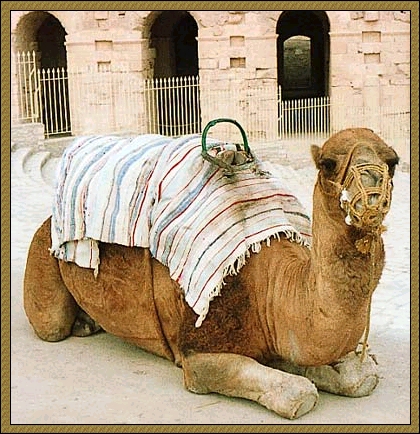
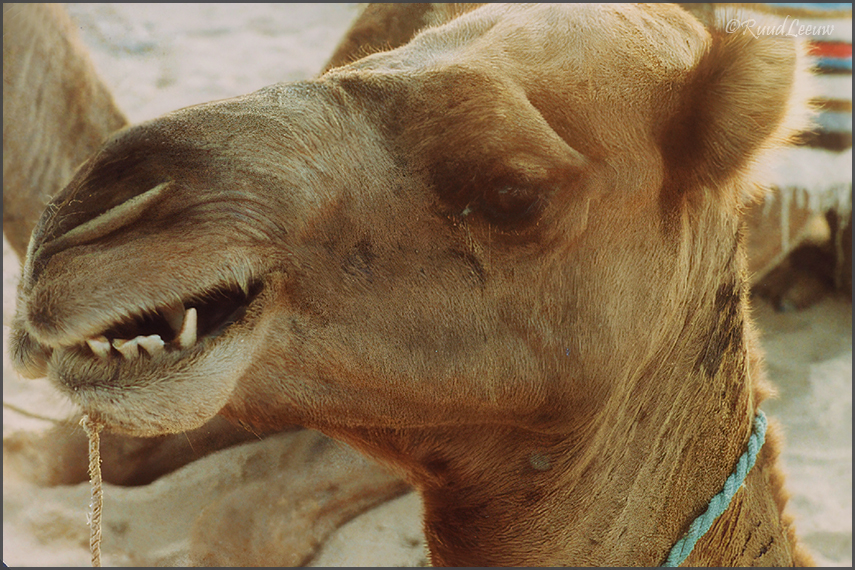
Not the most beautiful animal of this world ... The camel is known to spit and I was glad it couldn't, but still
kept my distance! I had heard about the reputation that camels are often surly or sullen, quickly irritated.

Travelogue Tunisia 1982 - Ruud Leeuw
The mosque in Sfax


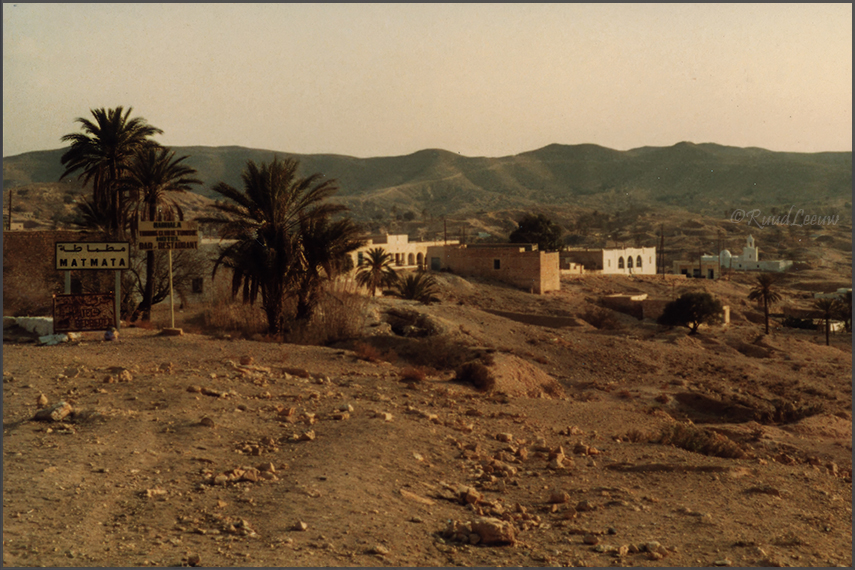
MATMATA
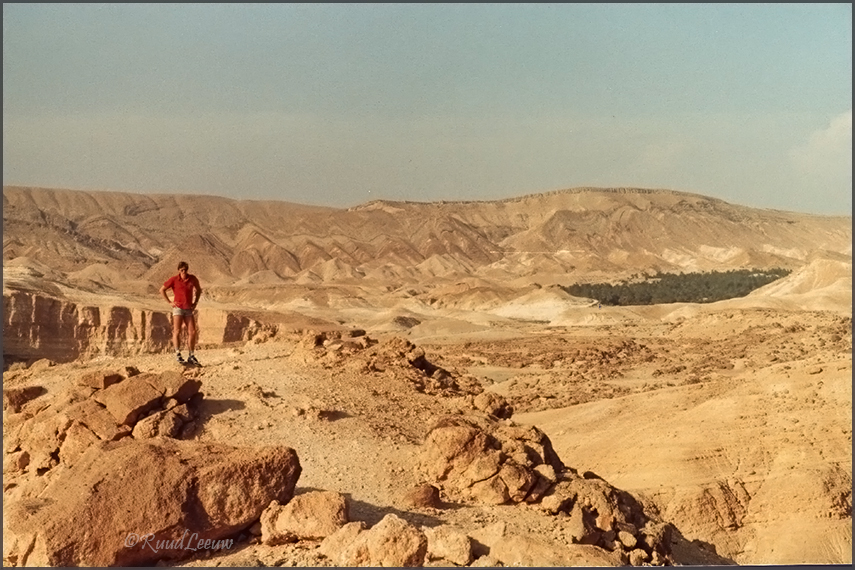
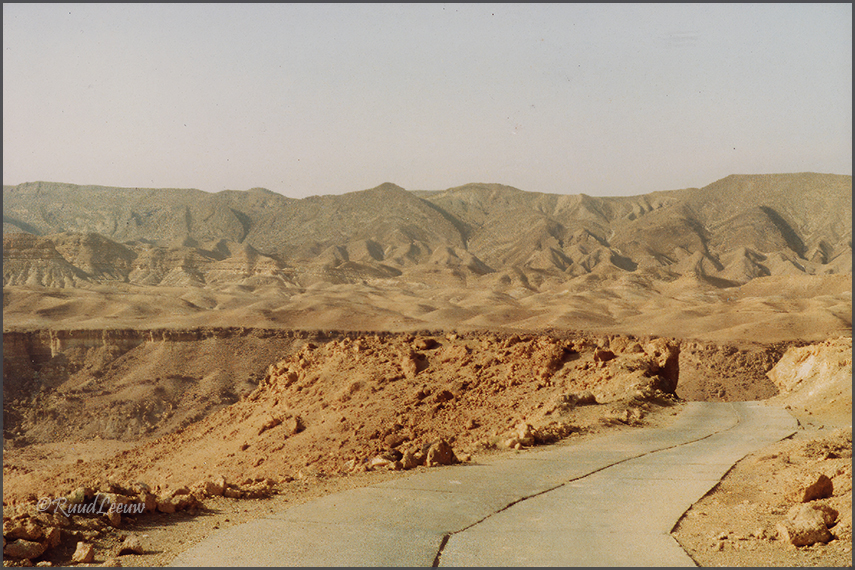
Matmata offers stunning views of the arid, rocky terrain typical of southern Tunisia.
Travelogue Tunisia 1982 - Ruud Leeuw
Matmata is a small town in southern Tunisia, famous for its troglodyte (underground) houses carved into the soft sandstone. These unique dwellings provide natural insulation, keeping interiors cool in the scorching desert heat
and warm during cold nights.

Travelogue Tunisia 1982 - Ruud Leeuw
Traditional Berber Homes: Many locals still live (according to ChatGpt) in these underground houses, which have been inhabited for centuries. It’s a popular destination for tourists interested in Berber heritage, unique architecture,
and Star Wars filming locations (e.g. Luke Skywalker’s home on Tatooine in Star Wars: A New Hope).


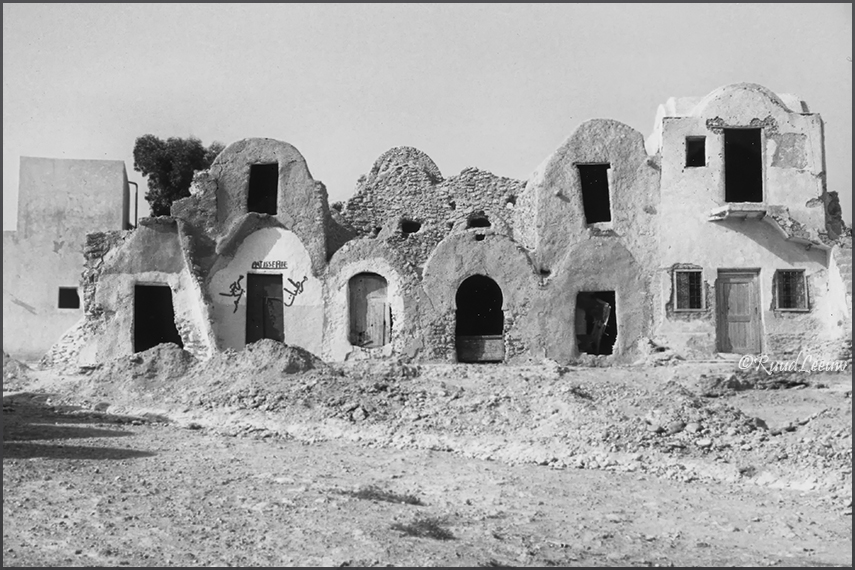
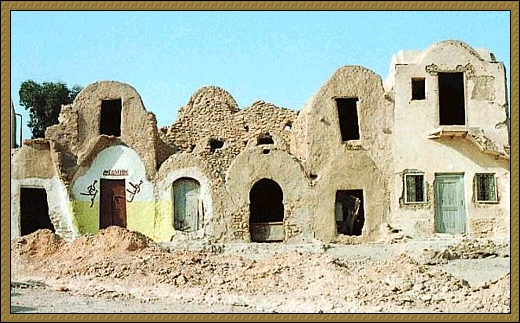
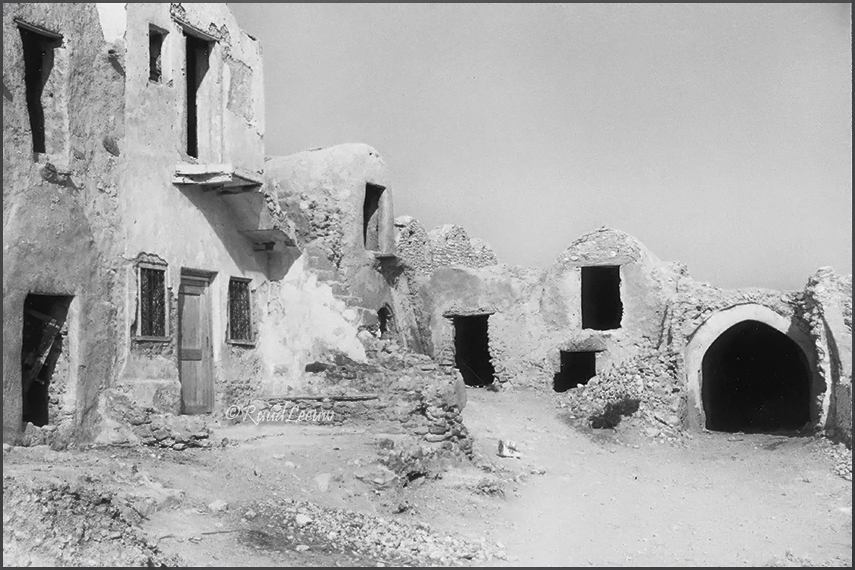
Quite a different civilisation ! These are the "Ghorfa's" (grottos) of Metameur. It is just one step beyond
a natural cave and are kept as a storage room by semi-nomadic people. They all face an open area where
the animals are kept. The other side, facing the countryside, is closed and the complex functions as a fort

Travelogue Tunisia 1982 - Ruud Leeuw

Travelogue Tunisia 1982 - Ruud Leeuw
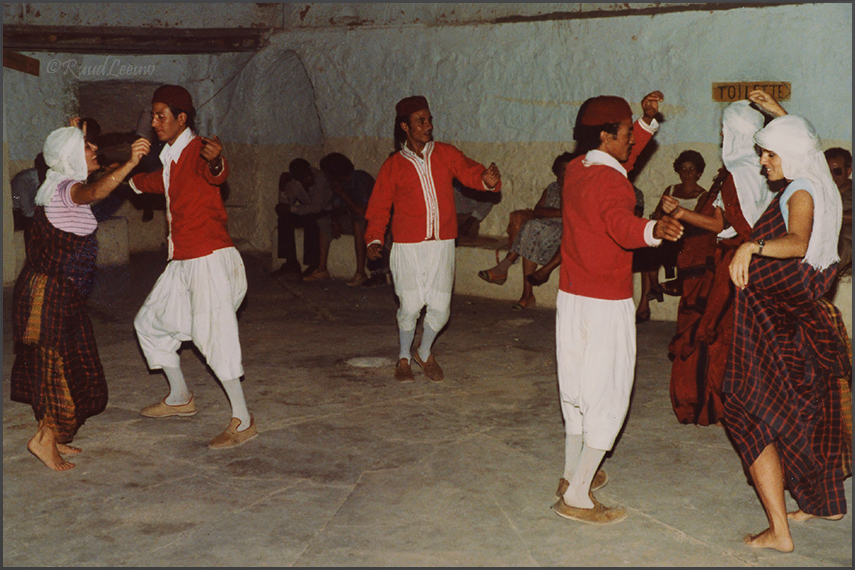
Performing for the tourists, tourisme we found was still in its infancy in Tunesia.

Travelogue Tunisia 1982 - Ruud Leeuw
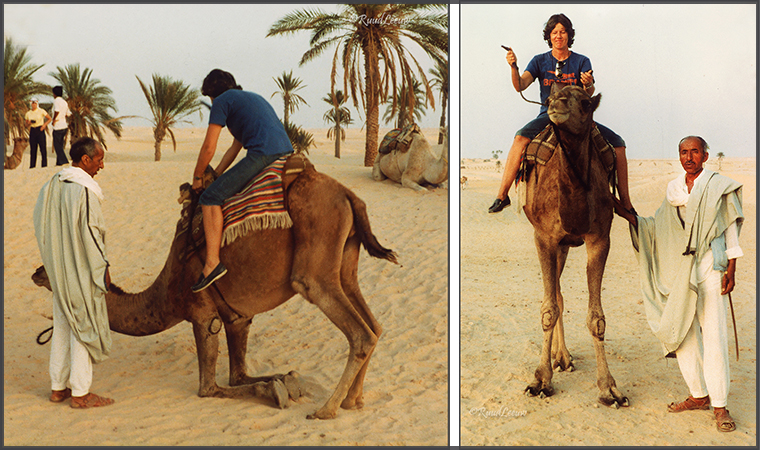
Aaah... nothing to it!

Travelogue Tunisia 1982 - Ruud Leeuw

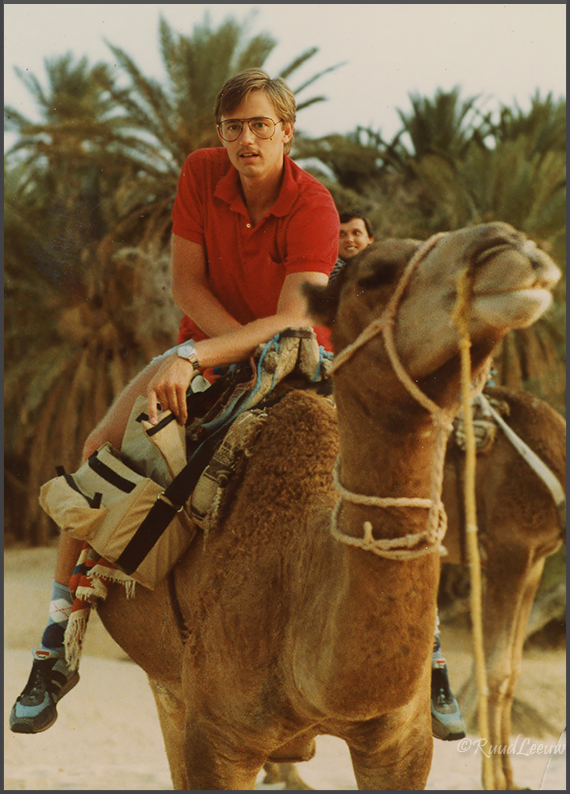
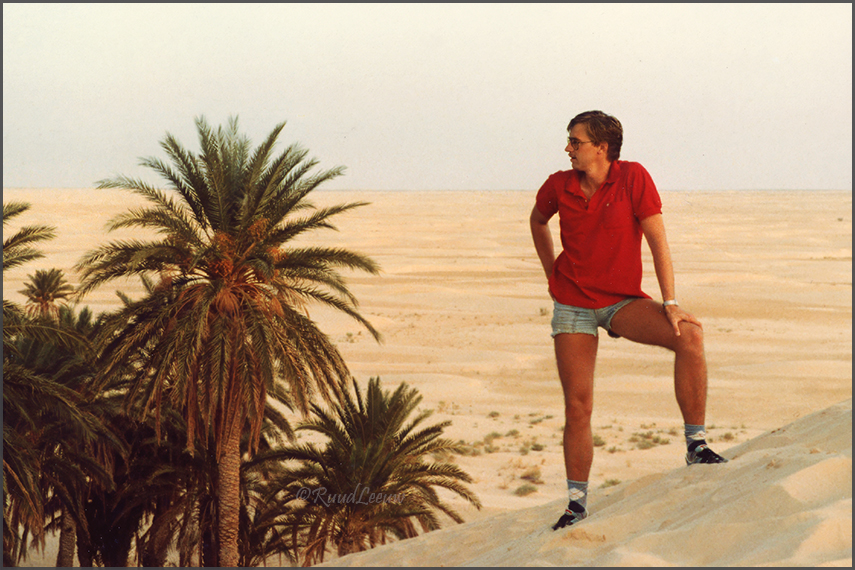
Yours truly, not quite his comfortable self...
The camel is the king of pack animals, reaching 10 to 12 feet tall, weighing up to 1,700 pounds and carrying loads of up to 1,000 pounds, although a typical load would be a third of that.
Camels carried their goods and passengers on the trade routes from Marocco, thru the Mahgreb and the Middle East, over the Silk Road, all the way to China.
A camel's normal speed is about 3 miles per hour, or about 25 miles a day, which is not bad, considering walking on sand. The camel's foot is split into 2 toes that splay and widen, thus preventing sinking in the sand. They can travel for 16 hours but then they will stop and not be moved.
Fortunately for me, there was not to be any running...!

Travelogue Tunisia 1982 - Ruud Leeuw
A smile or a growl..?

Travelogue Tunisia 1982 - Ruud Leeuw

Without camels, life wouldn't have been the same in the desert, they are essential for providing transportation, food, fuel (dried dung make a good campfire), clothing, shelter and even entertainment (they race on them, they can gallop at a pace of 10 mph!).
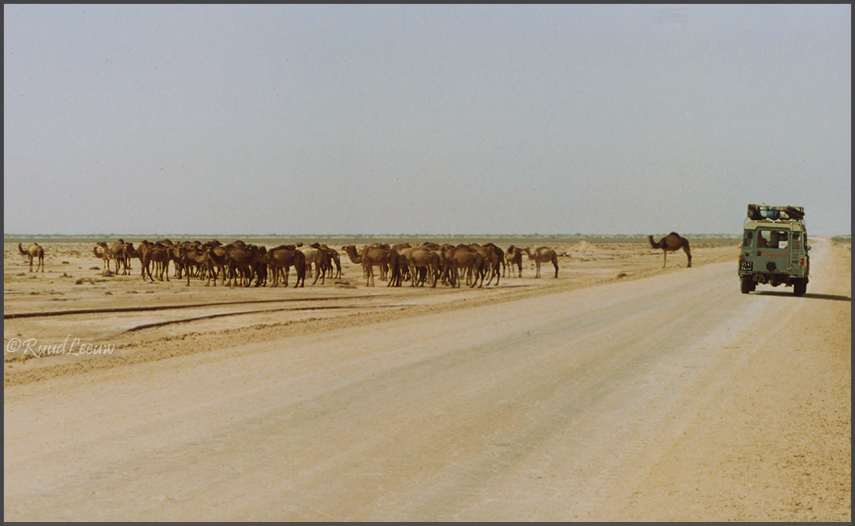
Here is a herd of the dromedary variant of the camel.
The hump does not contain water, but contains fat and it is the energy reserve for this animal. If they get the right food, they can go without water for months!
Camels have a different body thermostat and sweat much less than other animals or humans.
Each day a camel can produce 1.5 gallons of milk and for those on a caravan it can be the main source of nutrition for the humans. Female camels are also kept in herds and milked and this is probably such a herd that we encountered (though I don't recall seeing anyone minding the herd).

Travelogue Tunisia 1982 - Ruud Leeuw
Enjoying the sunset (and being off the back of that camel ☺)


Back on the road again
Travelogue Tunisia 1982 - Ruud Leeuw
Indeed, not quite like a camel
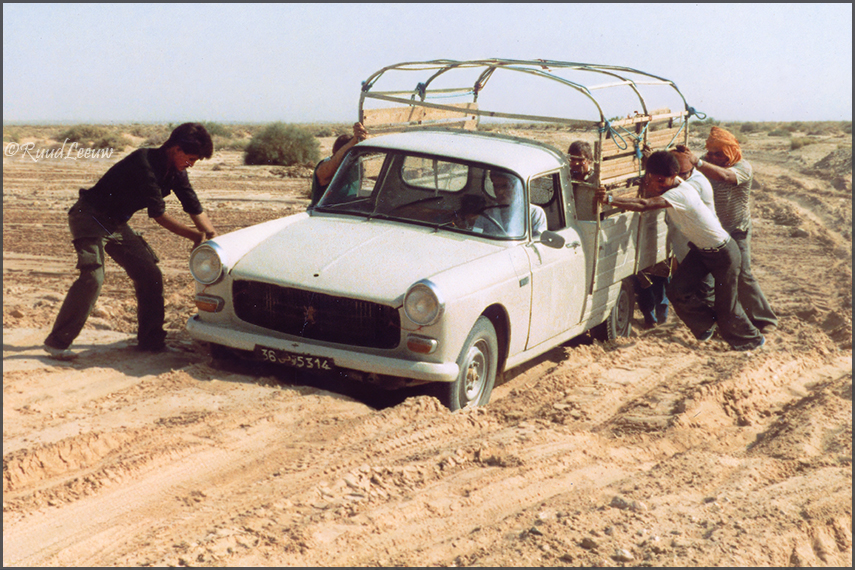
Not everybody drives a fourwheeldrive and a quick hand from us, me too after I took this shot, helped them
along the way. It does rain in the desert sometimes and then it really gets hard to get home in these cars.
Our guide felt the need to scold our drivers for the helping hand here, what an asshole!

Travelogue Tunisia 1982 - Ruud Leeuw
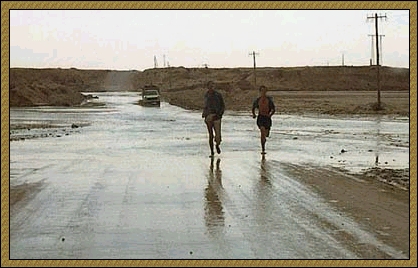
Like I said, it does rain... People enjoyed it (as long as you're not stuck in the mud with a car),
kids played in puddles of water and people were exuberant.
The trouble is, of course, that the infrastructure cannot handle all that water at once and roads get flooded
and get destroyed. But soon enough, it's all gone again.

Travelogue Tunisia 1982 - Ruud Leeuw
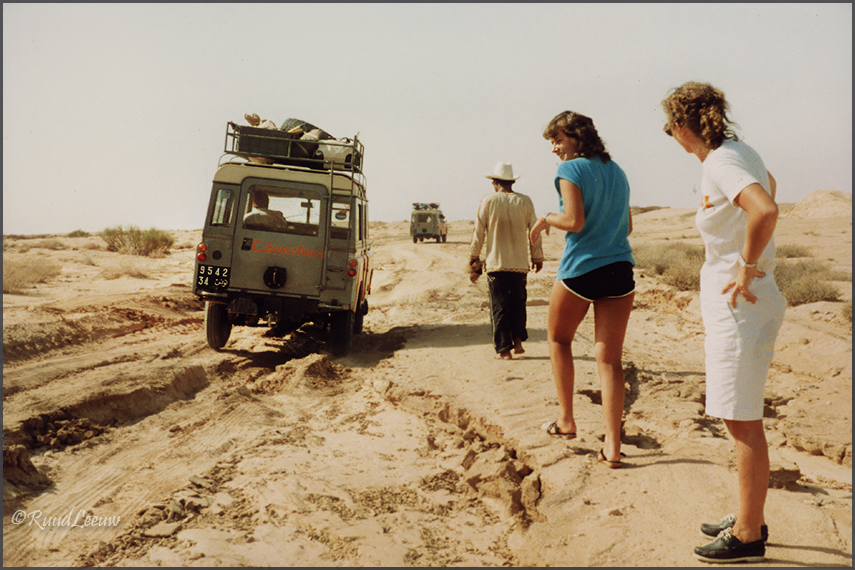
Even our the landrover sometimes need a push. Walking away is Ali, our guide, he was a first rate asshole.

Travelogue Tunisia 1982 - Ruud Leeuw
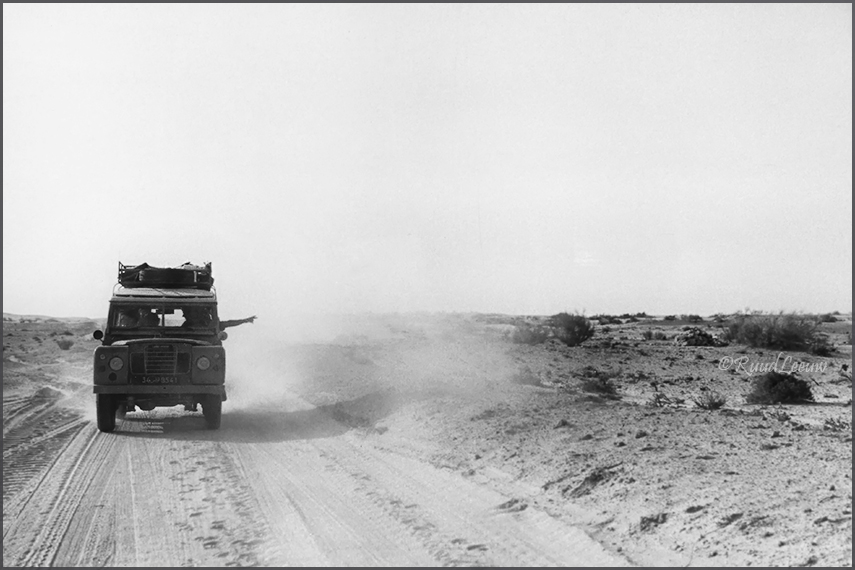
Dusty travelling

We drove in a 'convoy' of 2 landrovers and they performed well. The drivers were very kind, but our guide Ali was a macho guy, wearing his elegant Stetson hat and he had a hard time accepting that no females in the group volunteered for sleeping with him... He was a distinct pain in the ass and did not do his job very well.

Our route took us over some bad roads, lots of sand, sometimes the track was washed away and sometimes the washboard rattled our teeth; we drove high passes and dry lake beds: it was great !

Travelogue Tunisia 1982 - Ruud Leeuw
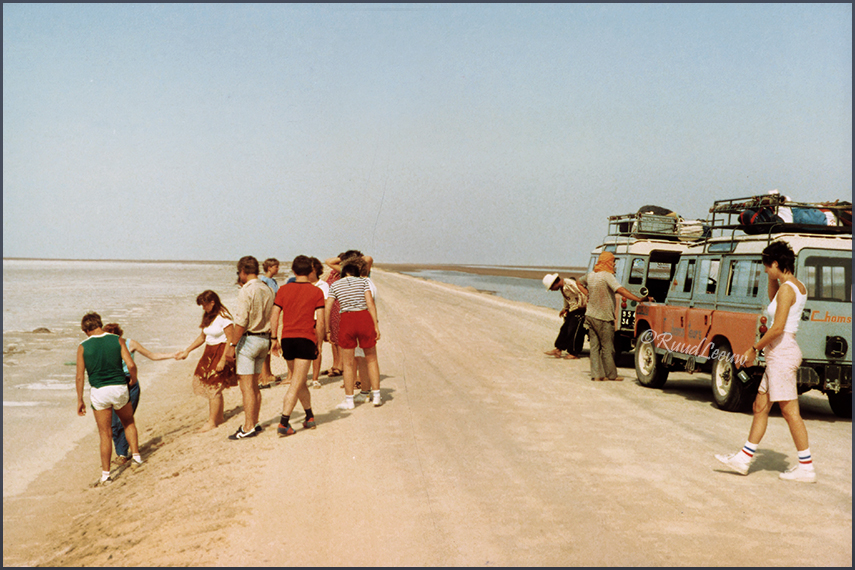
We stopped to have a closer look at the salt pans
Salt pans, a.k.a. salt flats or salt evaporation ponds, are large, flat expanses of land where water evaporates,
leaving behind salt deposits.


Back in the mountains
Travelogue Tunisia 1982 - Ruud Leeuw

Travelogue Tunisia 1982 - Ruud Leeuw

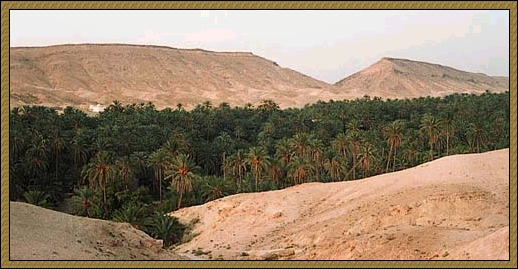
The desert, it's not just sand and sanddunes! This picture was taken near the Algerian border and in the distance (on the right) the oasis of Tamerza can be seen.
The mountains here are a part of the Atlas mountainrange, which starts in Marocco. The Germans put up a hard fight here in the mountainpasses, during W.W.2. We could still see blackened rocks, where convoys had been bombarded by the Allied forces.


Getting closer to Tamerza; we were told there was a swimmingpool and we liked the idea of taking a plunge
and wash the sand from our hair. Well, there was a swimmingpool, but it was empty! It may have been too decadent, to consider a swim in the desert, but I suspect the guide Ali knew it all along and played a devious
joke on us (we did not get along at all).

Travelogue Tunisia 1982 - Ruud Leeuw

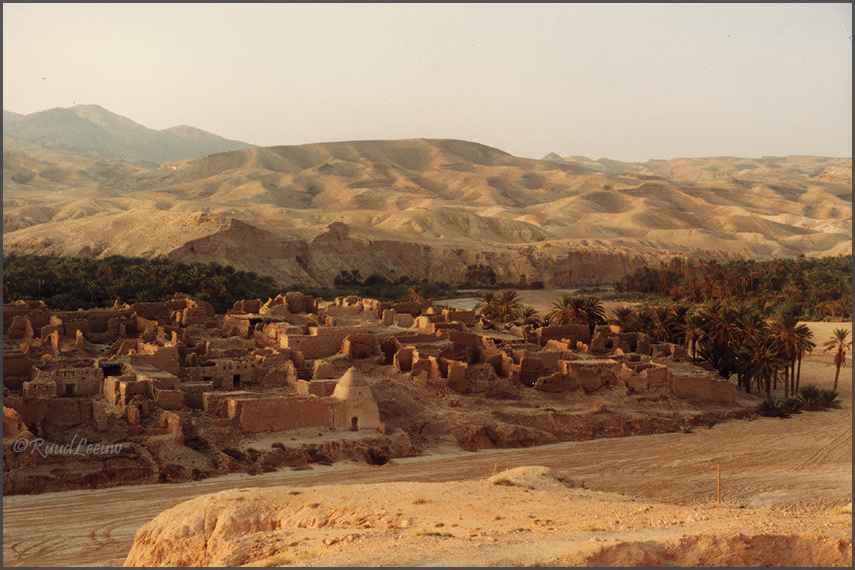
The old city of Tamerza. Recent rains had washed out roads and waterreservoirs.

We were glad to leave Tamerza behind us. The guide had refused to sit with us and seemed to make fun of us in the local lingo to people eyeing us (the women in particular). This was probably because his macho image (big white stetson hat, flashy raybans and attitude to match) had been damaged, not arriving in "town" with a fair lady beside him...
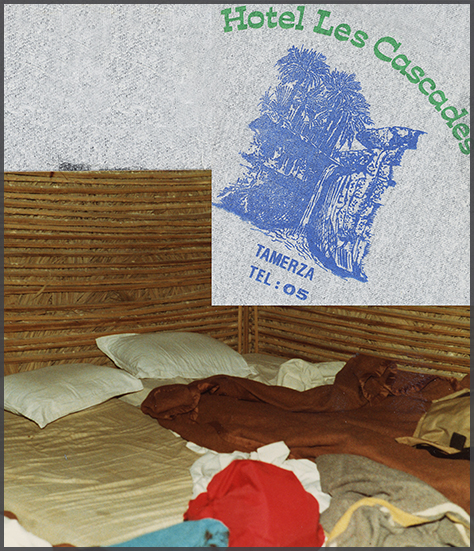
There was a brawl late that night and people slept in the open air, some in the empty swimmingpool. Our accommodations were primitive, to say the least. We had to use an "outhouse" on the premises, the women in our group preferred to go there with a male escort from the group. It was an uncomfortable stay.

Eckhard Marz wrote me this: "I found the impressions from your trip to Tunisia, when I was checking for information on the heavy rainfalls which destructed the old village of Tamerza close to the Algerian border.
You might have heard it, they built a hotel just opposite of the ruins (with a functioning swimming pool, the one of the camp down in the valley is still empty !), reconstructed the walls a little bit and now you can enjoy at dawn a glass of wine on the terrace, looking at the wonderful lit ruins
..."

Both the food and accommodation at Tamerza was filthy, beneath any standard.
Many locals were drunk and 'adressed' the women in our group to have sex. At night,
when one of the women needed to tgo to the toilets (no doors or light), one of the men escorted them.
Travelogue Tunisia 1982 - Ruud Leeuw
Ali put a 3rd person with us in the primitive cabin, as Ada spoke French
well enough to adress him on issues and he knew we were on our honeymoon..
There wasn't room really for a 3rd bed and it prevented the door from closing.
Ali was used to bed one of the women in a tourgroup by then in the tour and with this
Dutch group he'd failed which resulted in loss of face. A first rate misogynist and bad guide,


Travelogue Tunisia 1982 - Ruud Leeuw
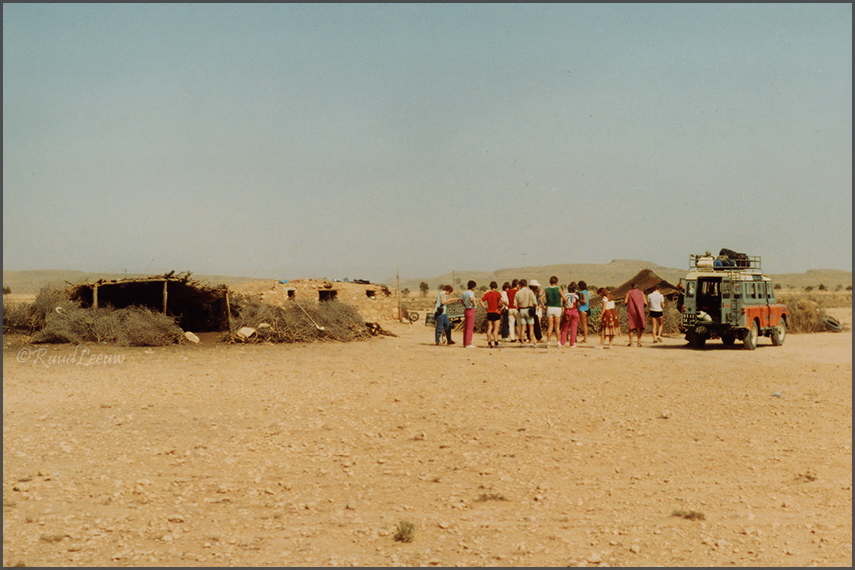
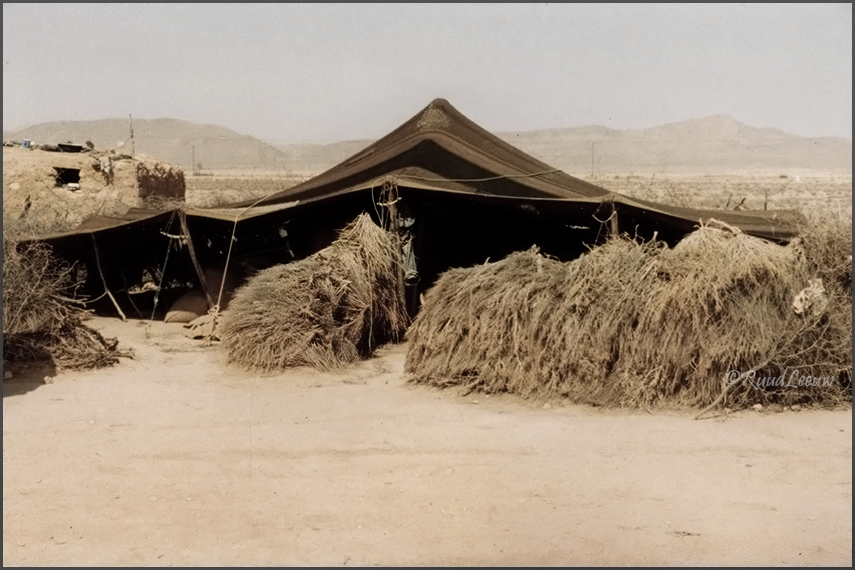
A stop at a Bedouin community. Many Bedouins, like here, today are semi-nomadic, meaning they combine
traditional nomadic herding with settled lifestyles.

Travelogue Tunisia 1982 - Ruud Leeuw

Travelogue Tunisia 1982 - Ruud Leeuw

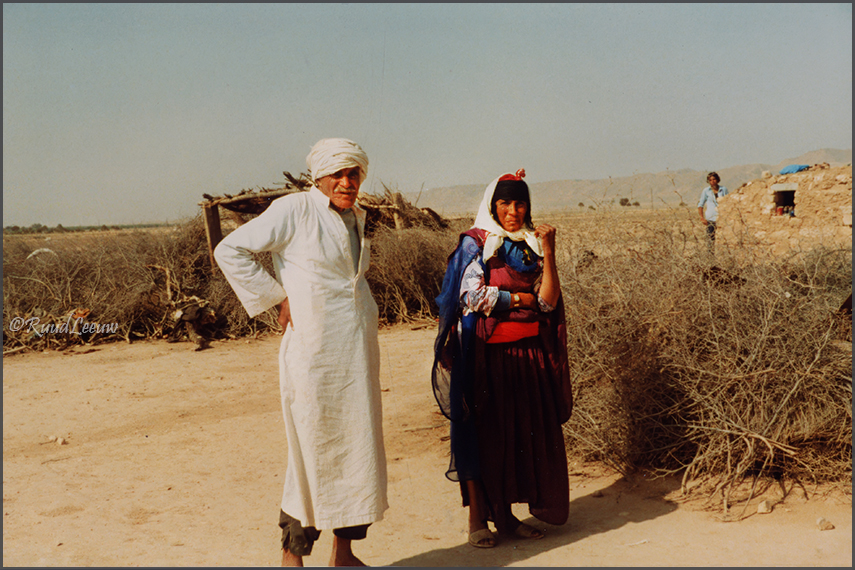
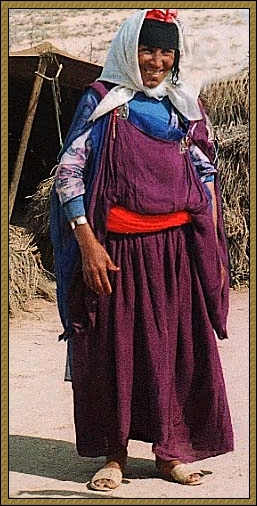
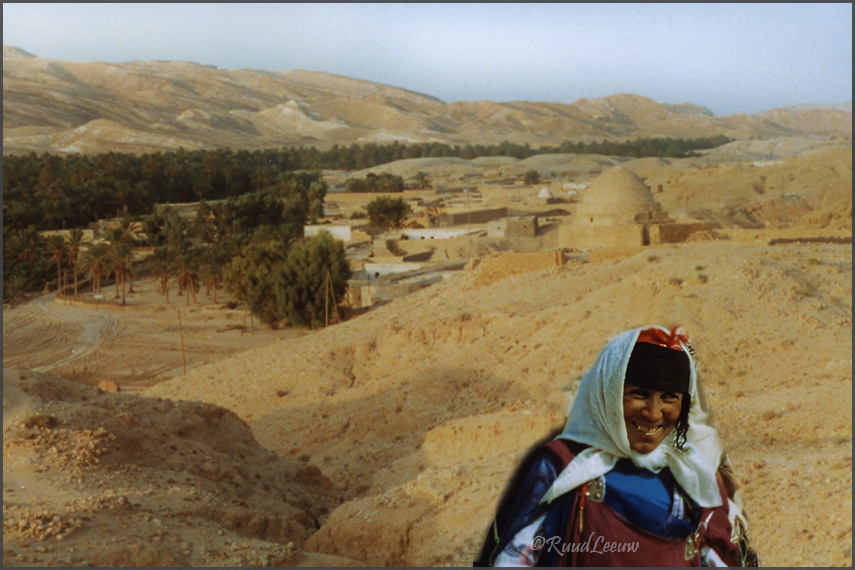
A visit to a Berber family was heart-warming, all smiles. I know that it is a staged event, as such that these people probably don't travel around anymore but remain on the same location for the tourists. But I felt good knowing that money from tourism reached at least these people.
Berbers are a semi-nomadic people who once were a majority in North-Africa; but the influx of Arab people changed that. Even people who have Berber grandparents now call themselves 'Arabic', thus helping the Berber culture into obscurity.
There is more here on the Berber people.


SBEÏTLA
Travelogue Tunisia 1982 - Ruud Leeuw

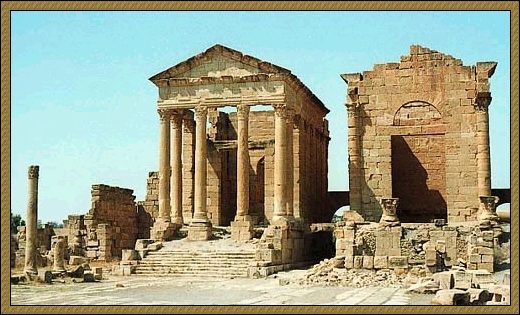
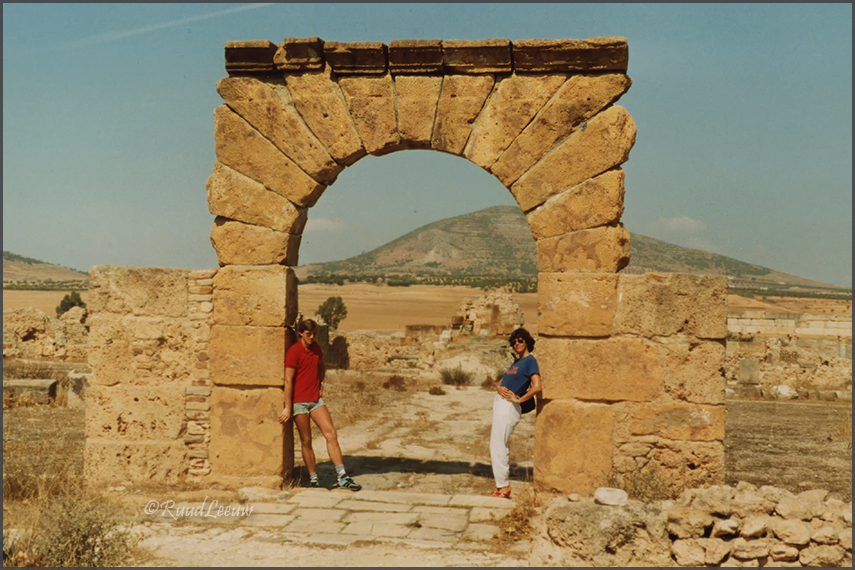
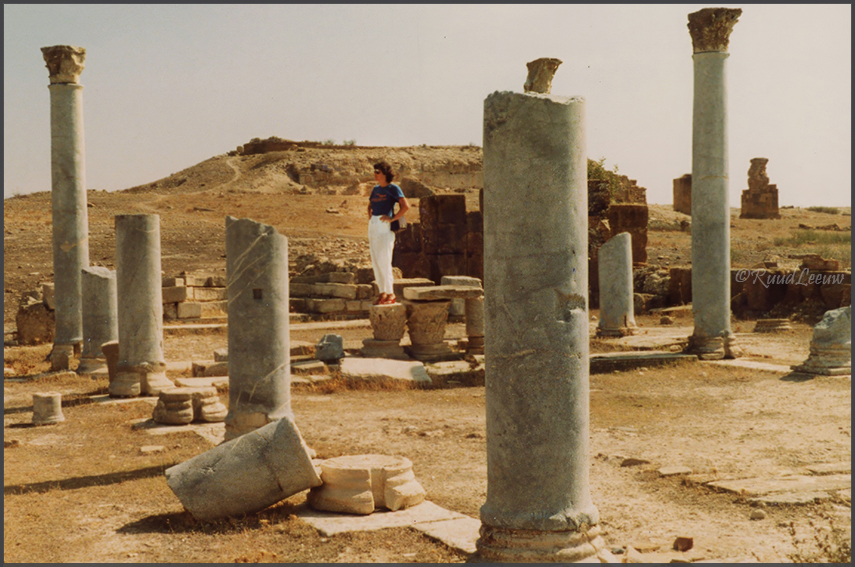
Sbeitla is a small town in west-central Tunisia. Nearby are the Roman ruins of Sufetula, containing the best preserved Roman forum temples in the country. It was the entry point of the Muslim conquest of North Africa.
Sbeitla is located 264 km from Tunis.
It is mentioned in Norman Douglas's Fountains in the Sand as being wooded by junipers and Aleppo pines as late as the 19th century, though he found them "bleak and bare" in the early 20th century.
The oldest traces of civilisation in the zone are Punic megaliths and funereal stelae. [¬ Wikipedia]
Travelogue Tunisia 1982 - Ruud Leeuw
The region was inhabited by nomadic tribes until the Legio III Augusta established a camp at Ammaedara.
Through the surrender of the Berber leader Tacfarinas, the region was pacified and populated under the Roman emperor Vespasian and his sons between 67 and 69, becoming a bishopric in the Roman province of Byzacena.

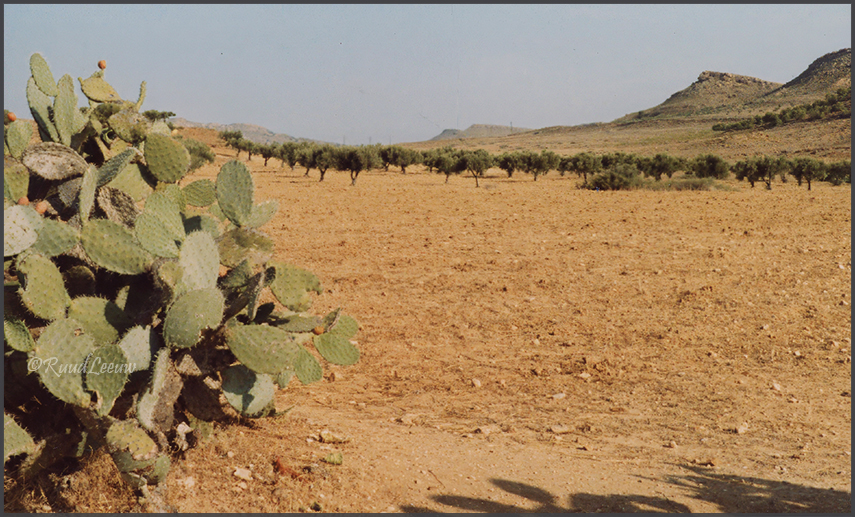
Some inscriptions found in the city suggest that the settlement had success along the lines of others in North Africa during the 2nd century, reaching great prosperity through the olive industry, whose cultivation benefited from excellent climatic conditions in the region.
The olive presses found in the ruins of the city further bolster this conclusion. The resulting prosperity made possible the construction of a splendid forum and other important buildings.
The city began to decline during the Late Roman Empire (284 CE to 641 CE), during which the city was surrounded and occupied by Vandals, a fact that is demonstrated by the appearance of temples dedicated to their gods. {¬ Wikipedia]


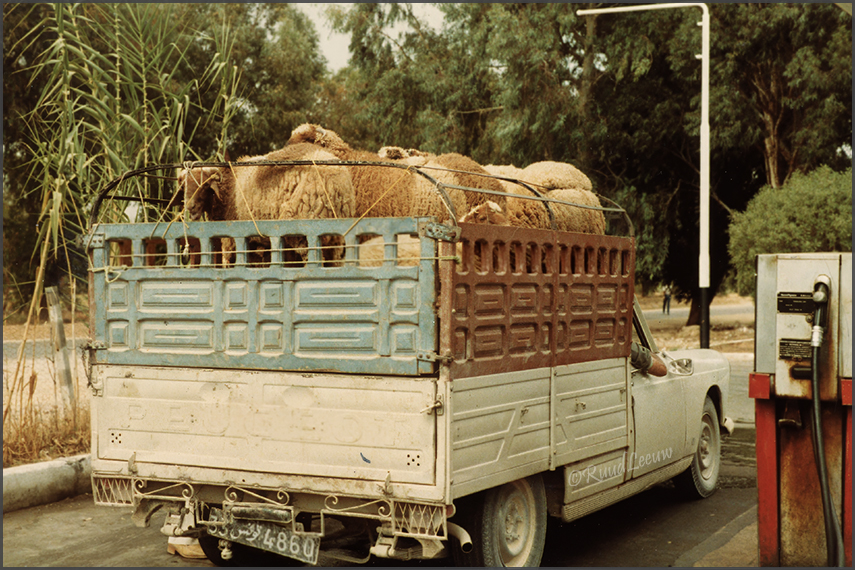
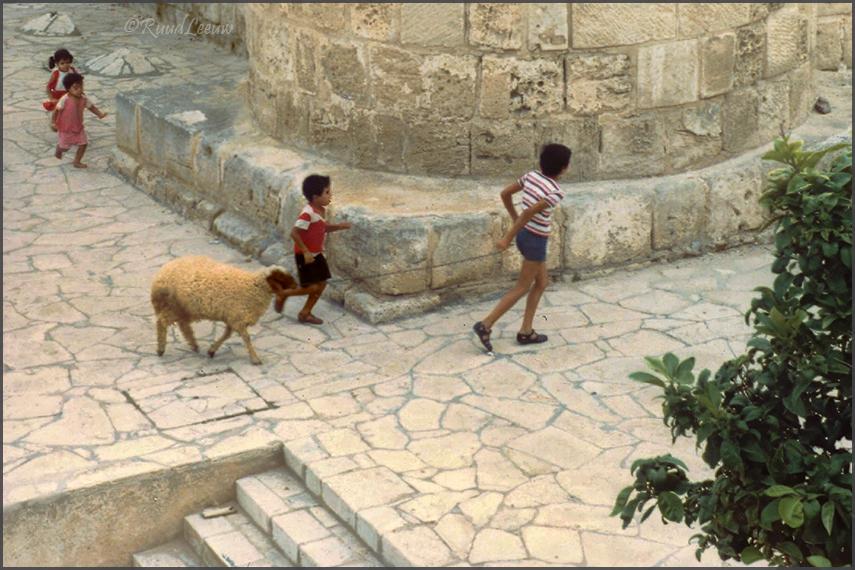
SHEEP..
Travelogue Tunisia 1982 - Ruud Leeuw

Travelogue Tunisia 1982 - Ruud Leeuw

Travelogue Tunisia 1982 - Ruud Leeuw
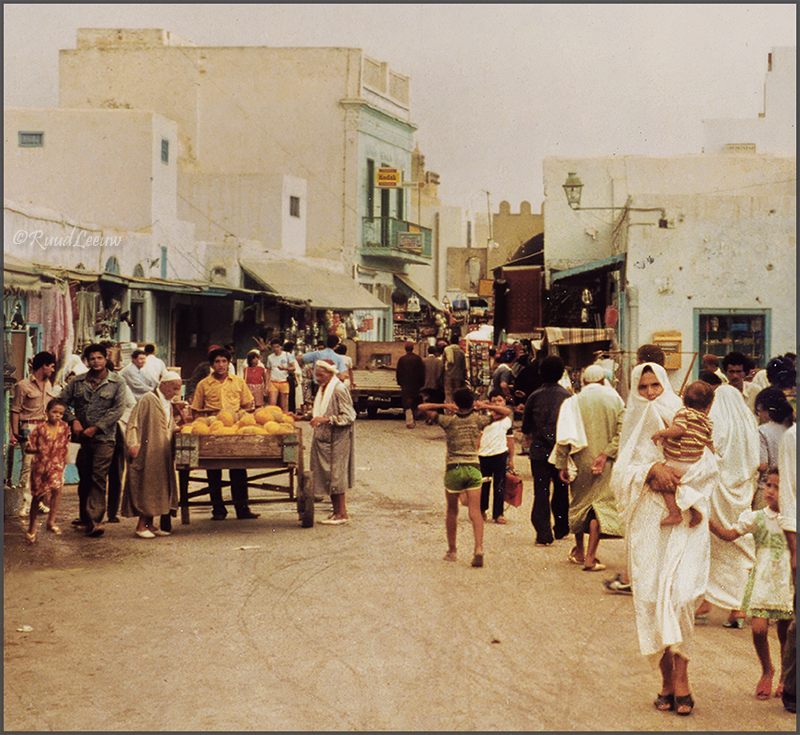
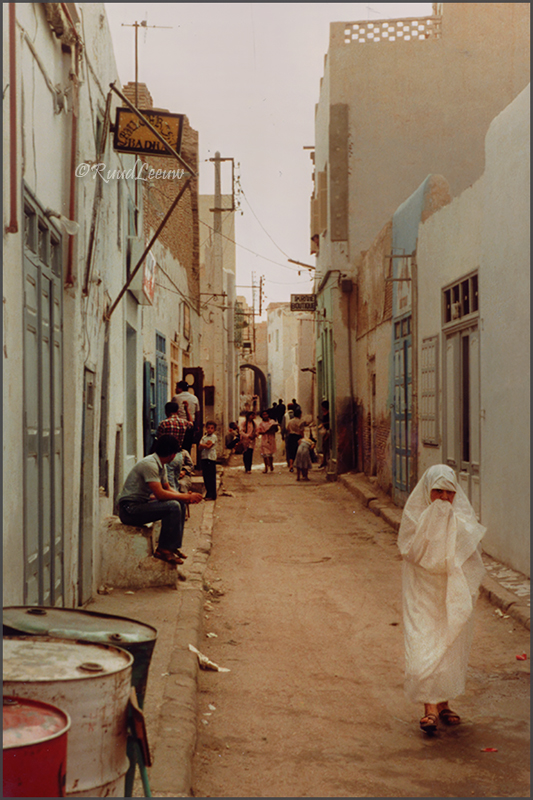
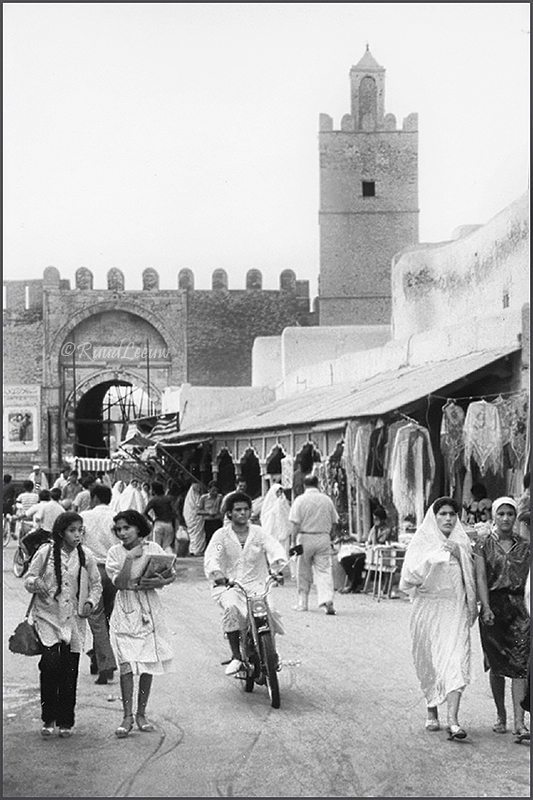
A few more pictures of the streetlife in the town of Kairouan

Travelogue Tunisia 1982 - Ruud Leeuw

Travelogue Tunisia 1982 - Ruud Leeuw
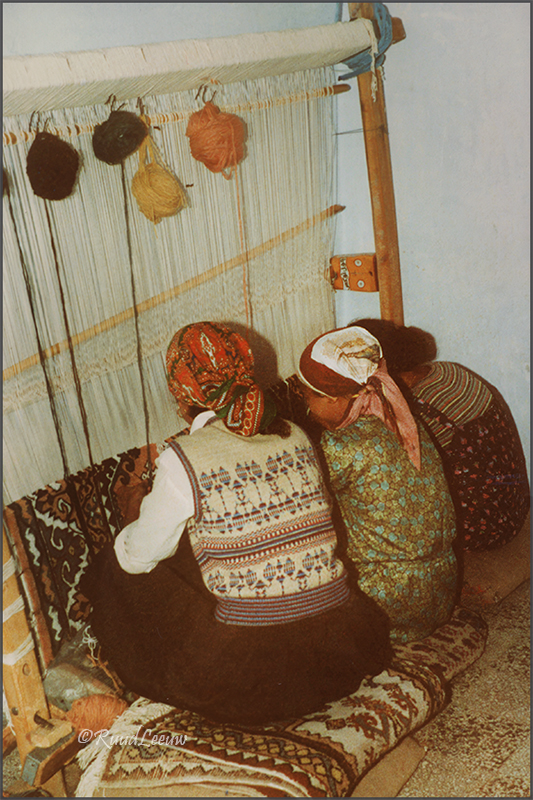
Traditional way of weaving

Travelogue Tunisia 1982 - Ruud Leeuw
This trip must have one of my first 'streetphotography' ☺


We reached the end of the 4-day desert safari and thus my report on this 1982 trip
Travelogue Tunisia 1982 - Ruud Leeuw